The Valley of the Temples in Agrigento
A guide to its history, private experiences, and exclusive addresses
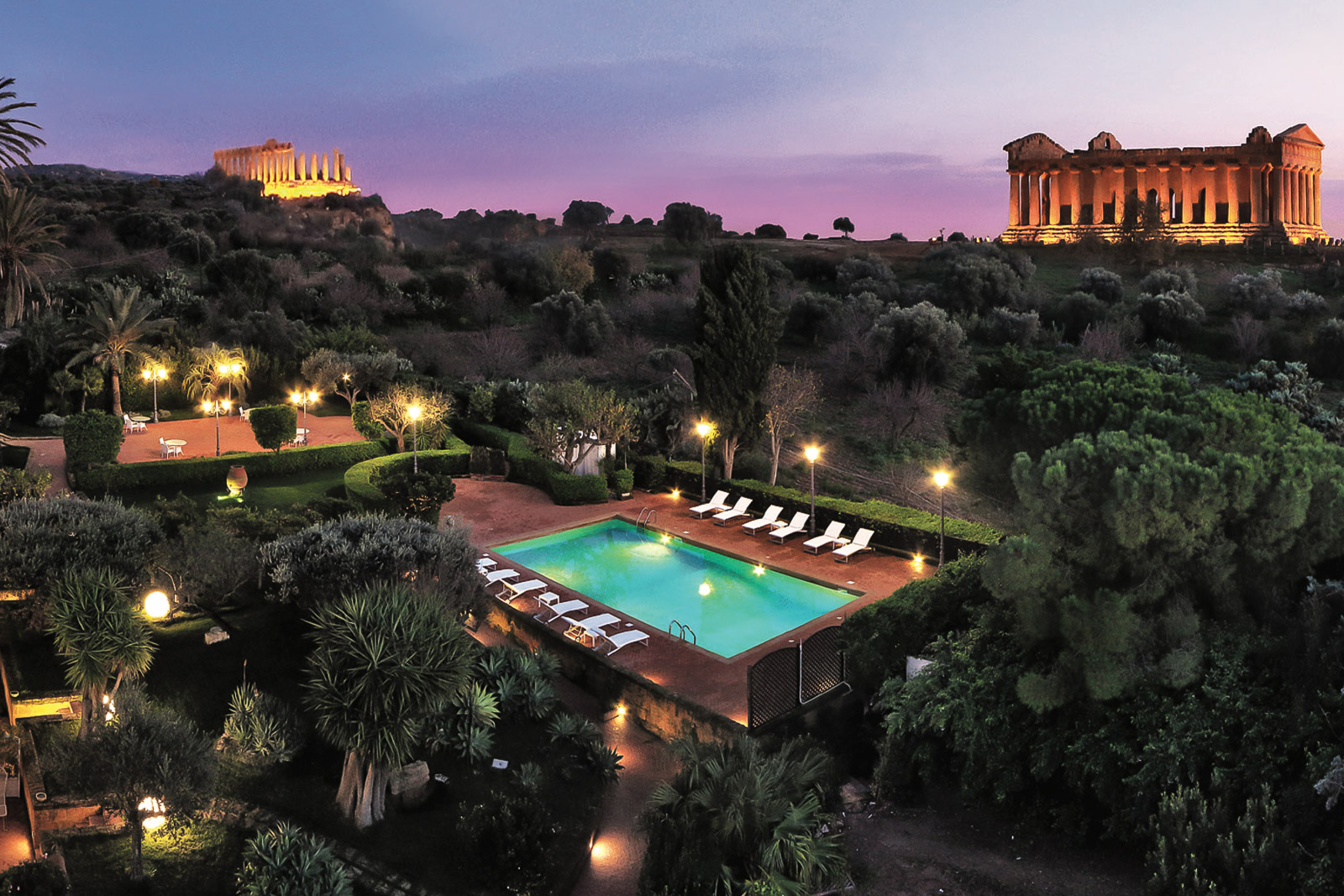
The Valley of the Temples in Agrigento is one of the best-preserved classical Greek sites in the world, a UNESCO World Heritage Site since 1997. The Doric architecture of ancient Akragas blends with the exquisite hospitality of Villa Athena Resort, the only hotel with exclusive access to the archaeological park, and the local gastronomic scene.
History and Uniqueness of the Valley of the Temples
Founded around 581 BC by Greek colonists from Gela and Rhodes, ancient Akragas quickly became one of the richest, most populous, and influential cities of Magna Graecia, so much so that it was celebrated by the poet Pindar as “the most beautiful city of mortals.“
It boasts many records: from housing the largest as well as the best-preserved Doric temple ever built in antiquity, along with the Parthenon and the Temple of Hephaestus in Athens, to the opportunity to admire an agricultural landscape that has remained unchanged to that described by Greek poets, made up of centuries-old olive trees, almond trees, and Mediterranean scrub that convey the aesthetic and sacred vision of the Hellenic world intact.


Beyond the woods, on the long ridge stood the famous surviving temples which seemed to have been placed on purpose, at a distance to enhance the marvelous view of the princely villa… (“I Vecchi e i Giovani” by Luigi Pirandello)
What to see inside the Archaeological Park
Walking along the Via Sacra along the Hill of the Temples, the walking tour inside the Archaeological Park passes some of the most iconic architecture of classical antiquity:
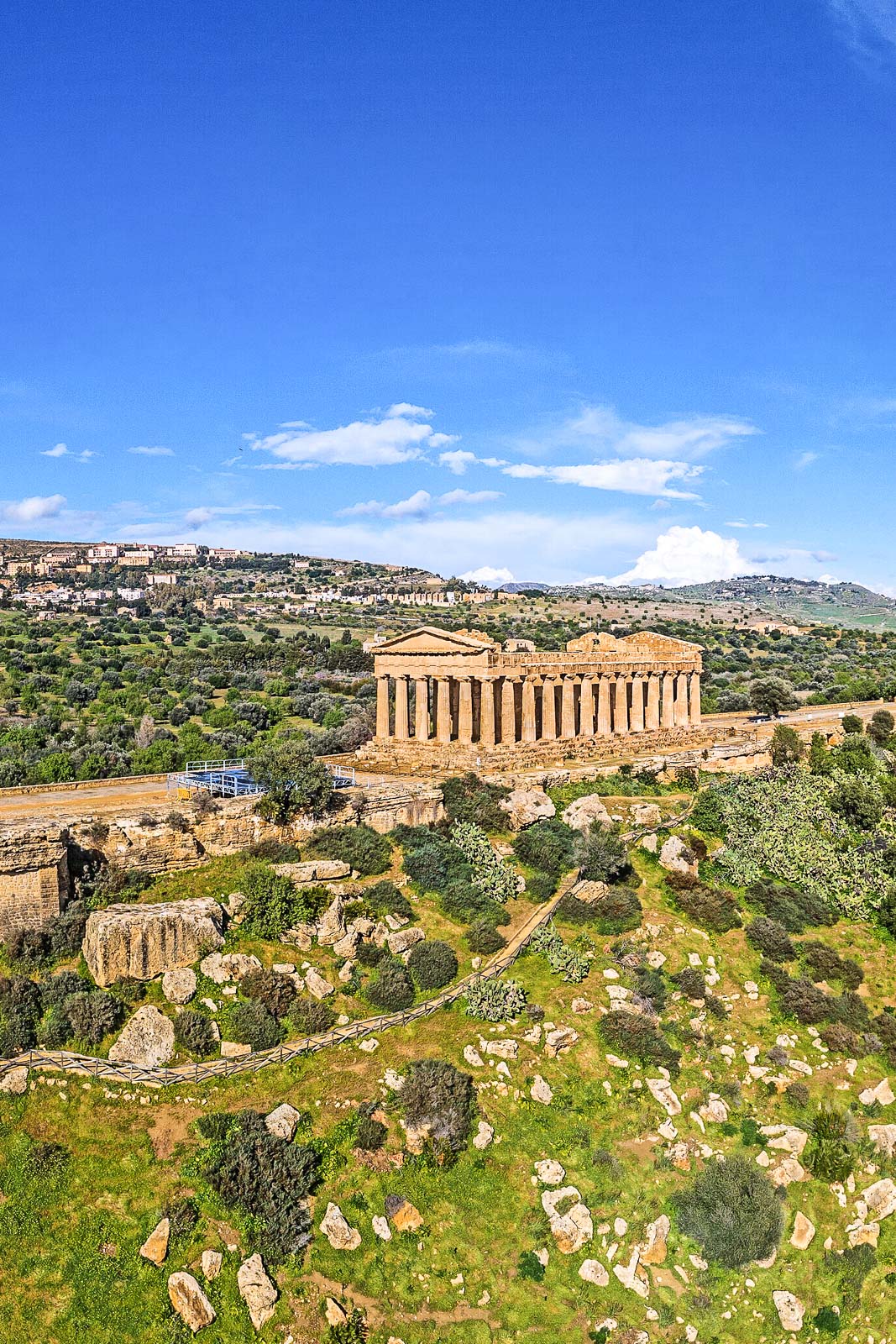
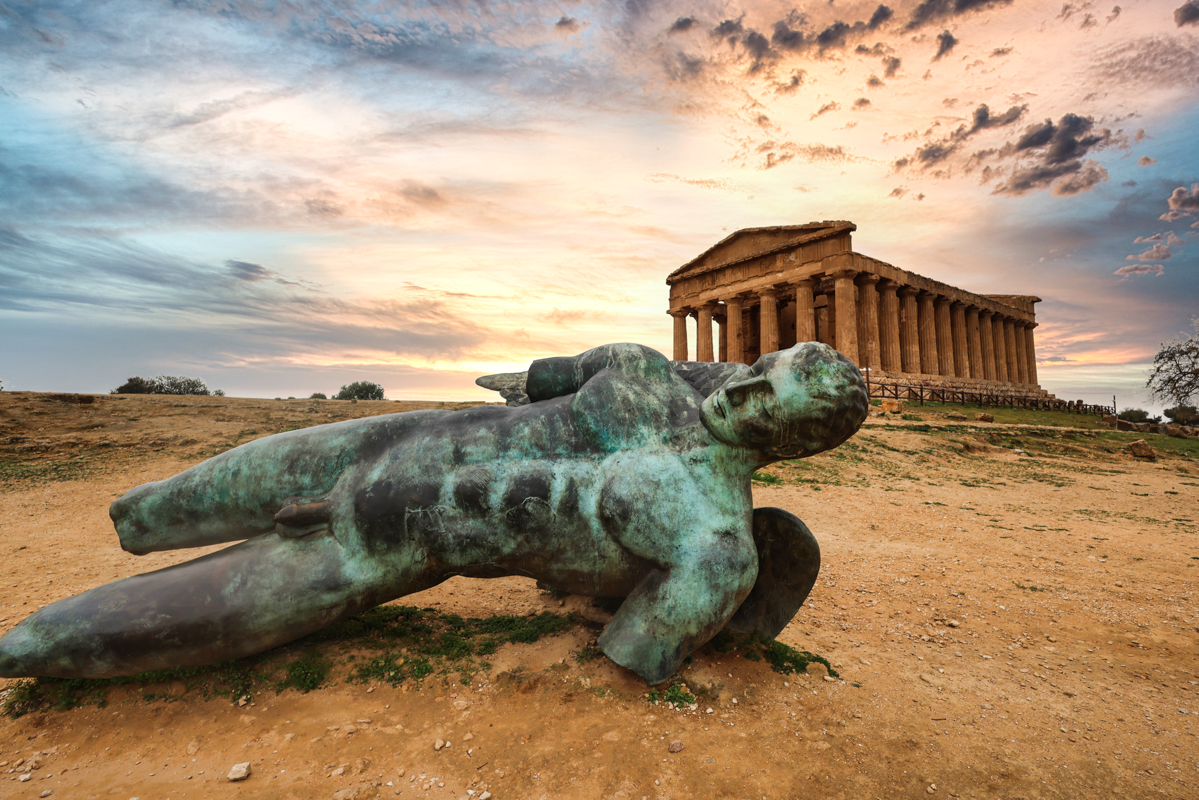
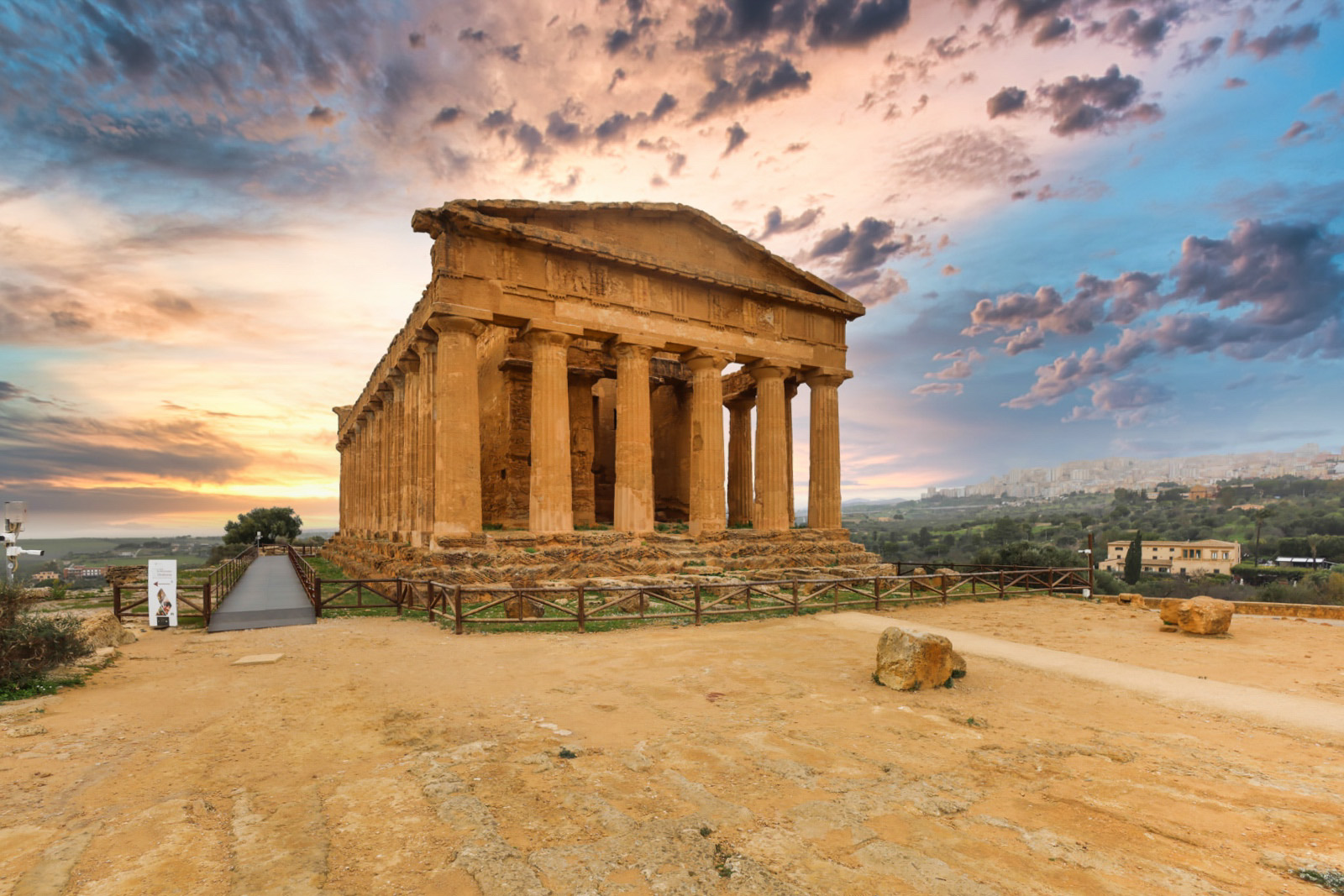
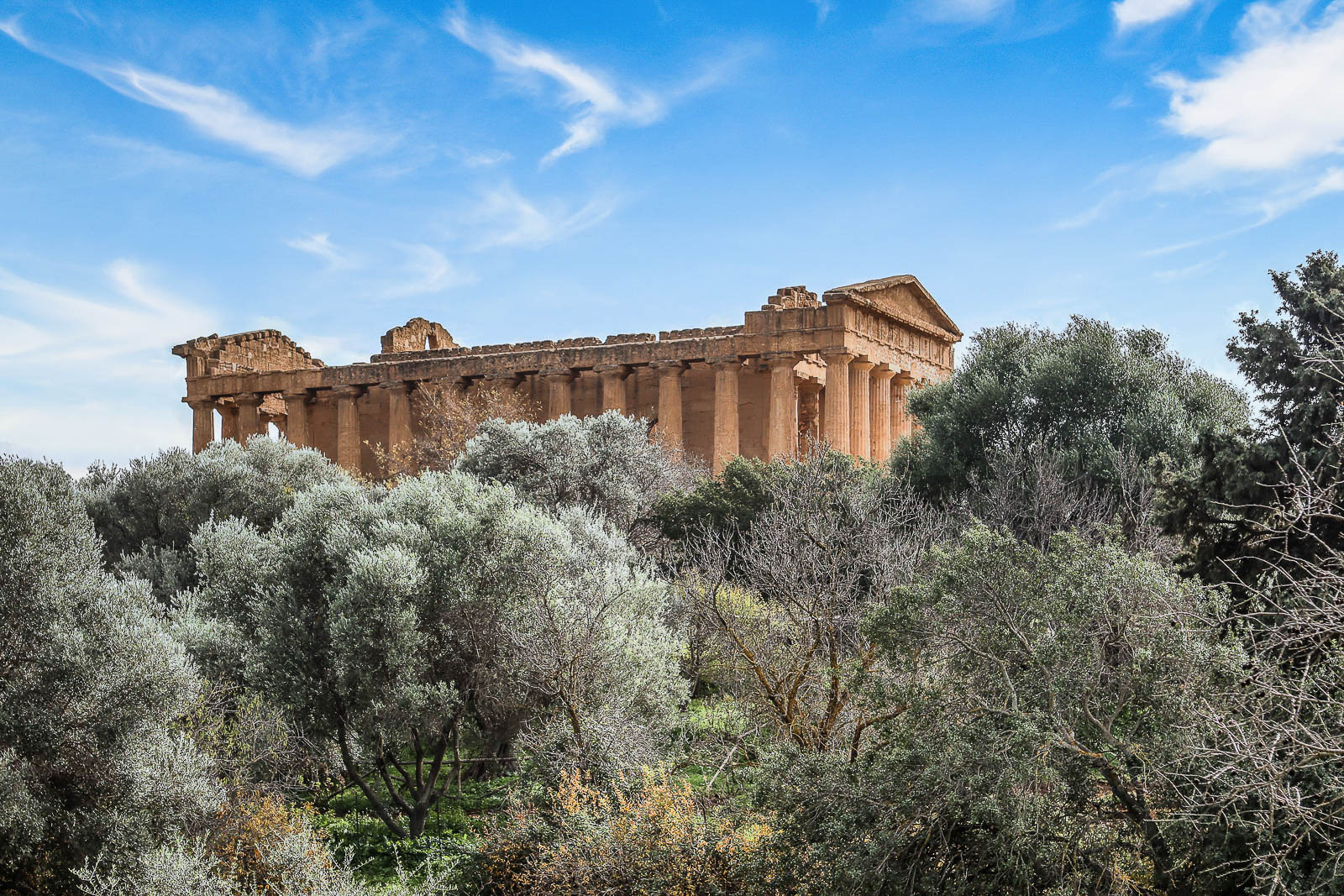
Temple of Concordia: Built around 430 BC, it owes its extraordinary integrity to its transformation into a Christian basilica in the 6th century AD by order of Bishop Gregory, who preserved its original structure, saving it from abandonment and looting. Of the 18 bronze sculptures brought by artist Igor Mitoraj to the Valley of the Temples Archaeological Park for the famous 2011 exhibition, the most iconic work remains: the Fallen Icarus.

Temple of Juno: located on the eastern and highest point of the hill, it offers a spectacular view of the entire plateau and the coast. It bears the marks of the fire started by the Carthaginians in 406 BC.
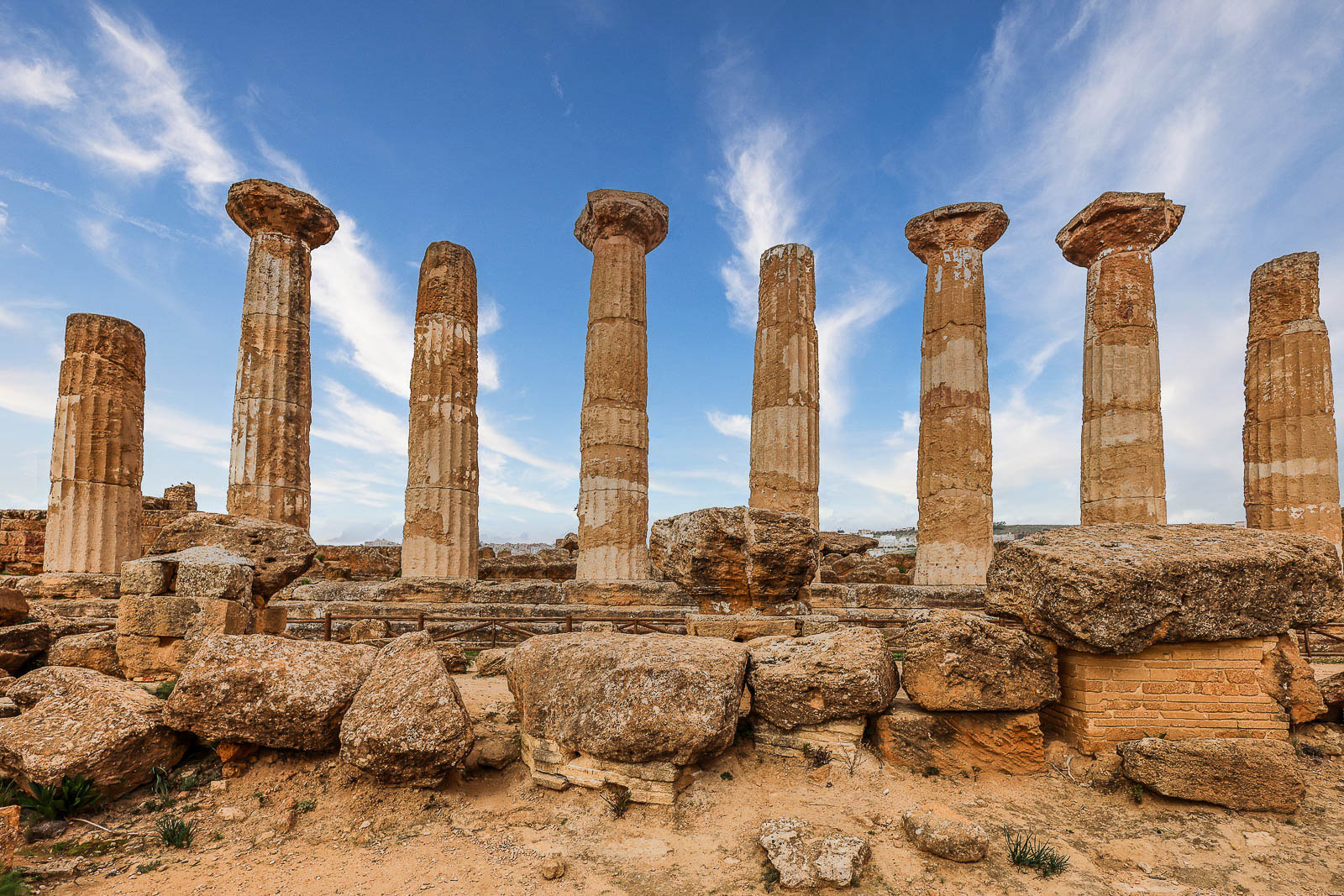
Temple of Hercules: the oldest of the complex (late 6th century BC), recognizable by its eight Doric columns, raised in the 20th century at the initiative of the English patron Alexander Hardcastle.

Temple of Olympian Zeus: once one of the most colossal Doric temples ever conceived, today it fascinates for its monumental ruins and for the Telamons, the gigantic anthropomorphic sculptures almost eight meters high that supported the entablature.

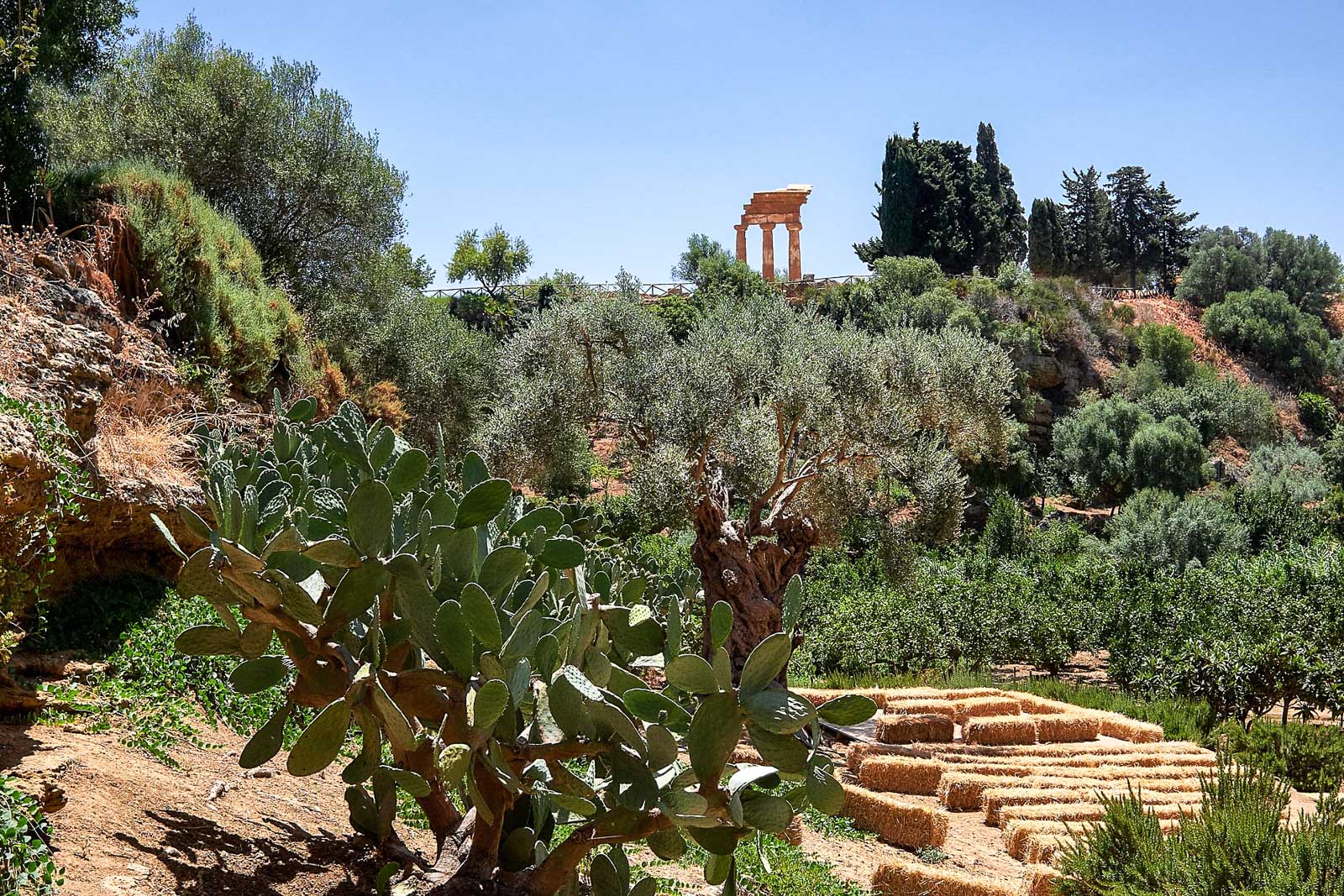
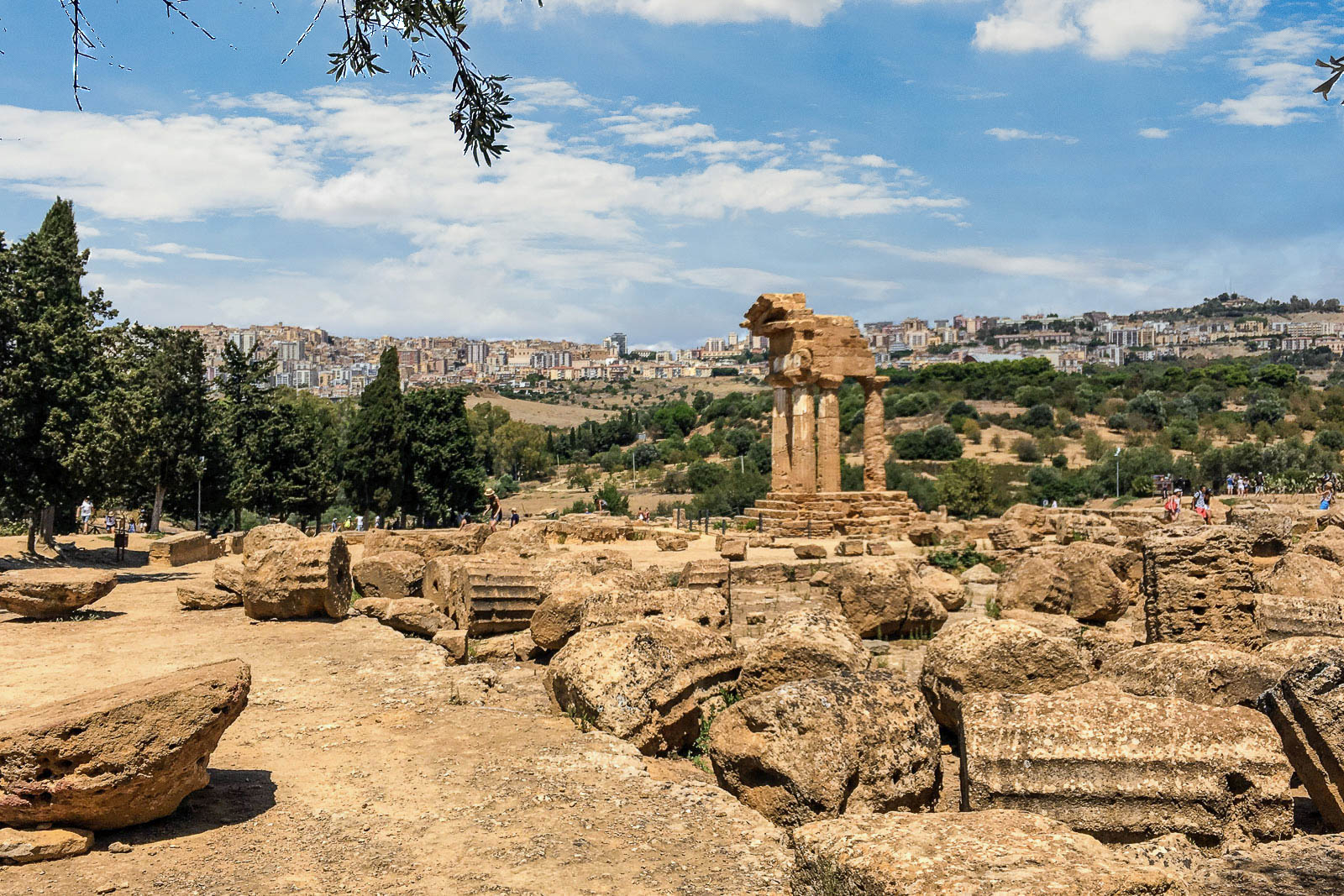
Another unique site to see is the Kolymbethra Garden, managed by the FAI (Italian National Trust), located in a valley between the Temple of Castor and Pollux and the Temple of Vulcan. An ancient Greek pool transformed over the centuries into a garden of citrus, almond, and olive trees, still irrigated today by hydraulic hypogea carved into the rock in the 5th century BC, it became a destination of the Grand Tour between the 19th and 20th centuries, celebrated by writers and travelers.
Where to stay with a view of the temples: the Villa Athena Resort
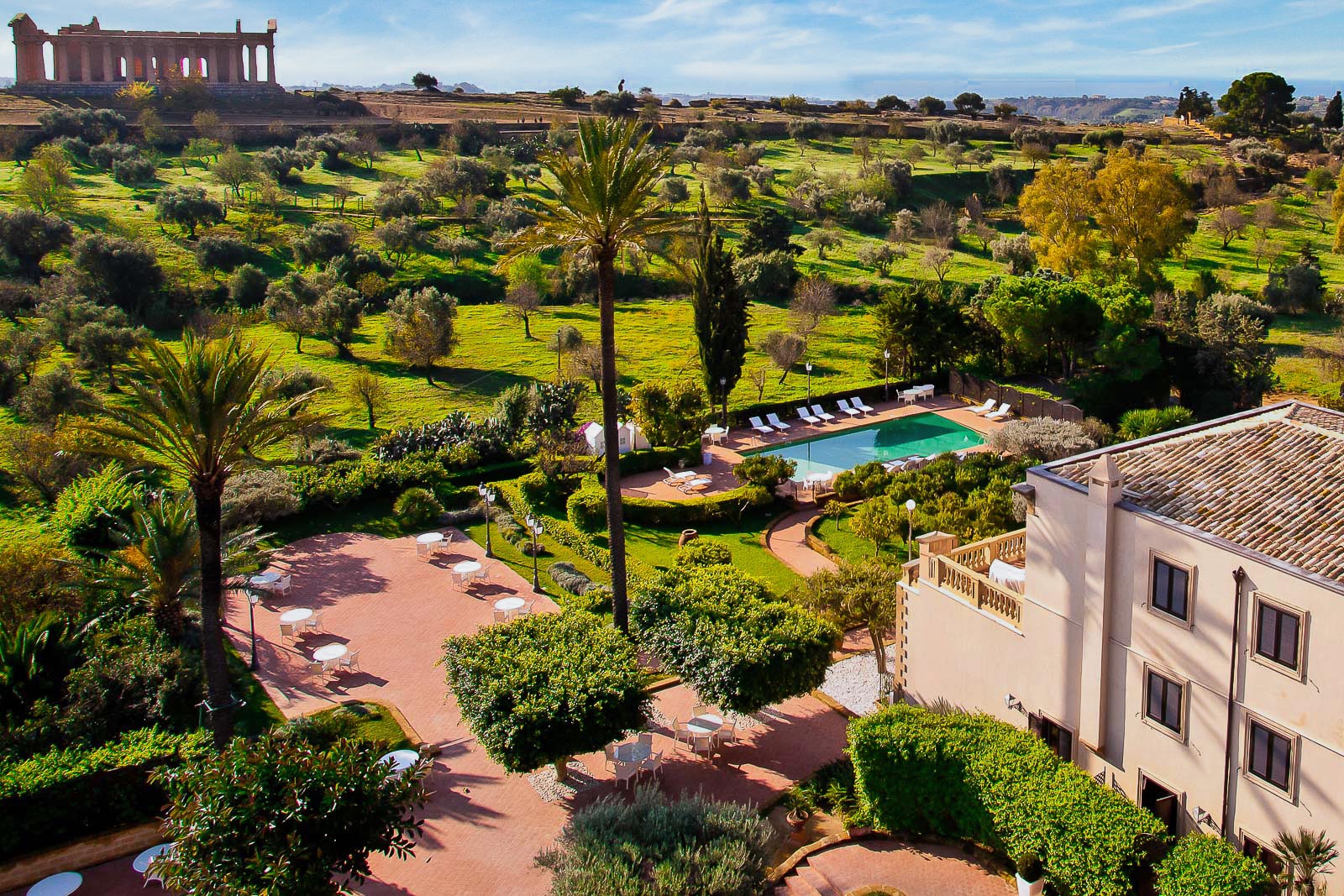
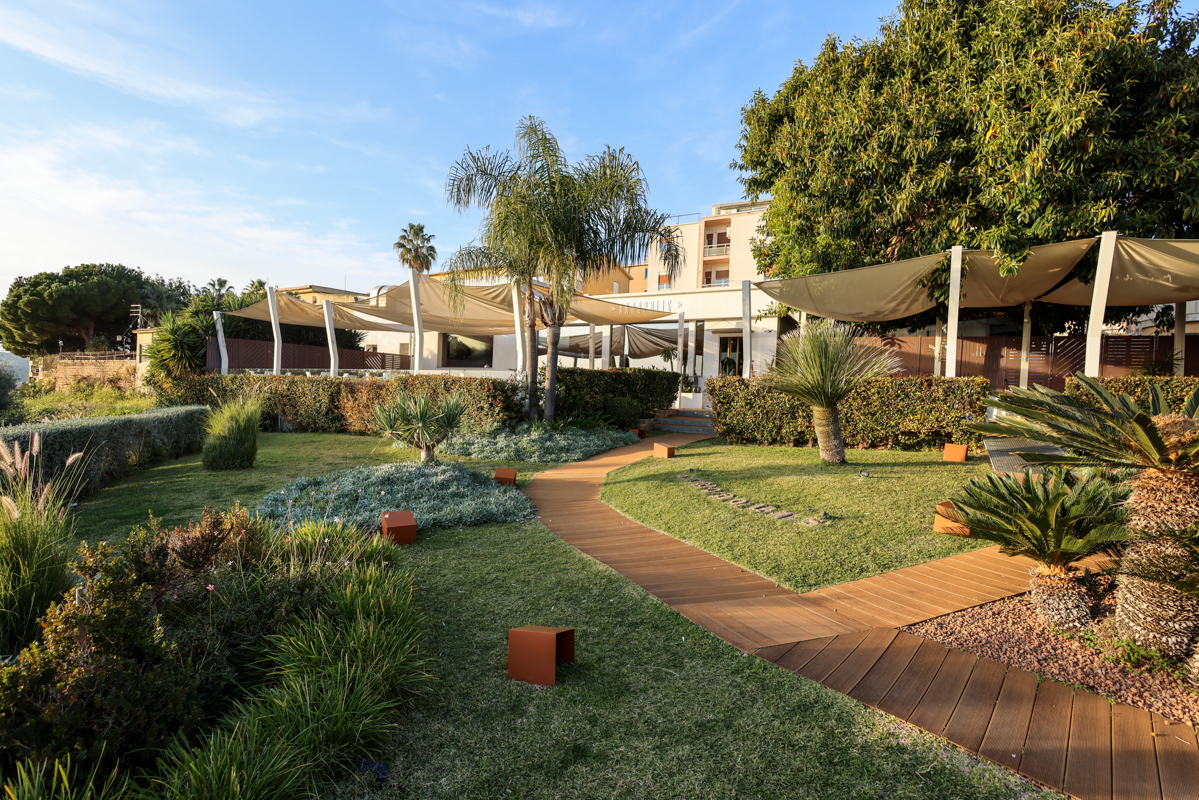
Villa Athena Resort, a 5-star luxury hotel part of Small Luxury Hotels of the World, is the only historic residence located directly within the Archaeological Park, just 200 meters from the Temple of Concordia and exactly halfway between the various temples. It’s therefore perfect for exploring the east side, towards Juno, and then the west side, towards Hercules and Zeus, with short walks and a comfortable return to the hotel.

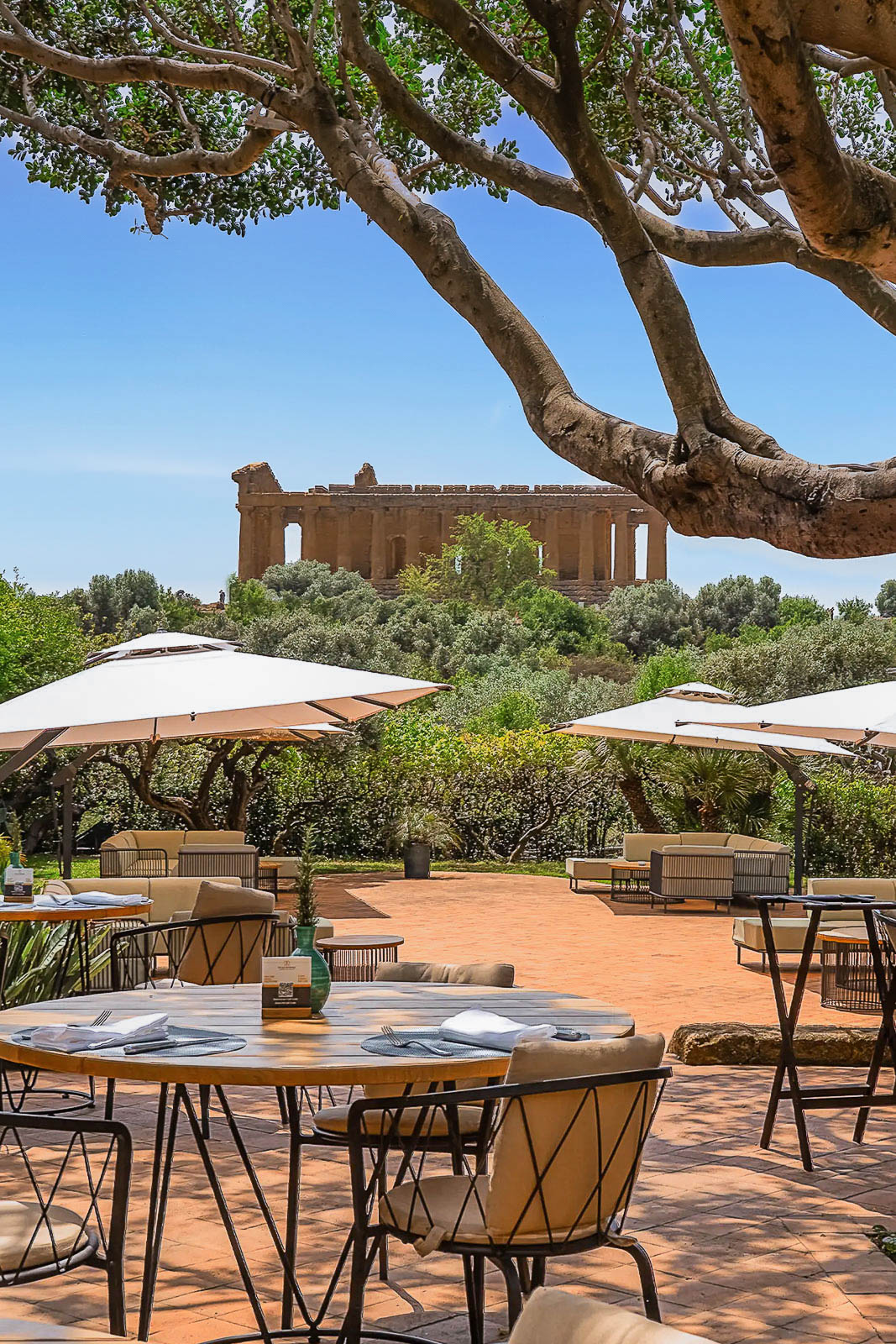
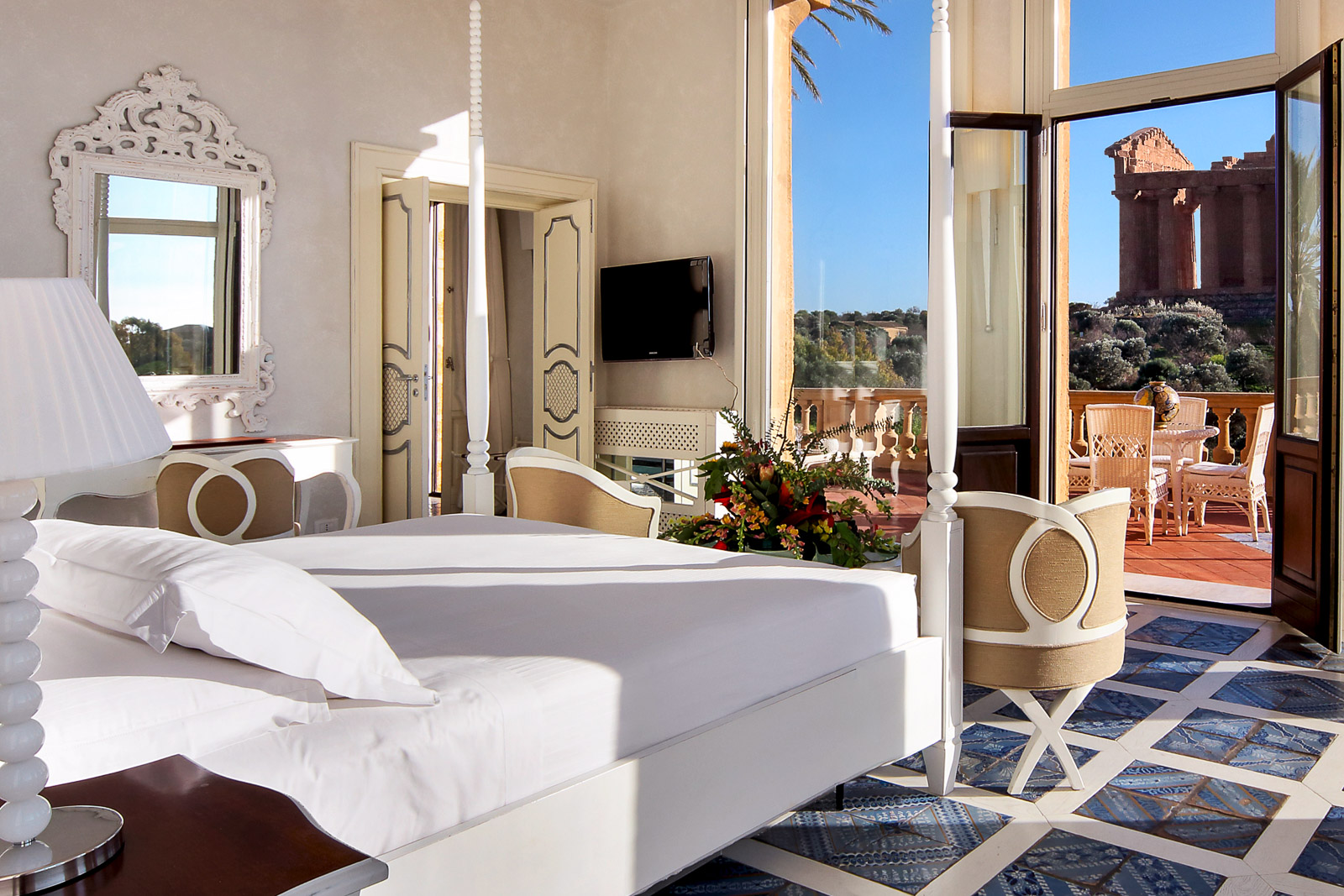
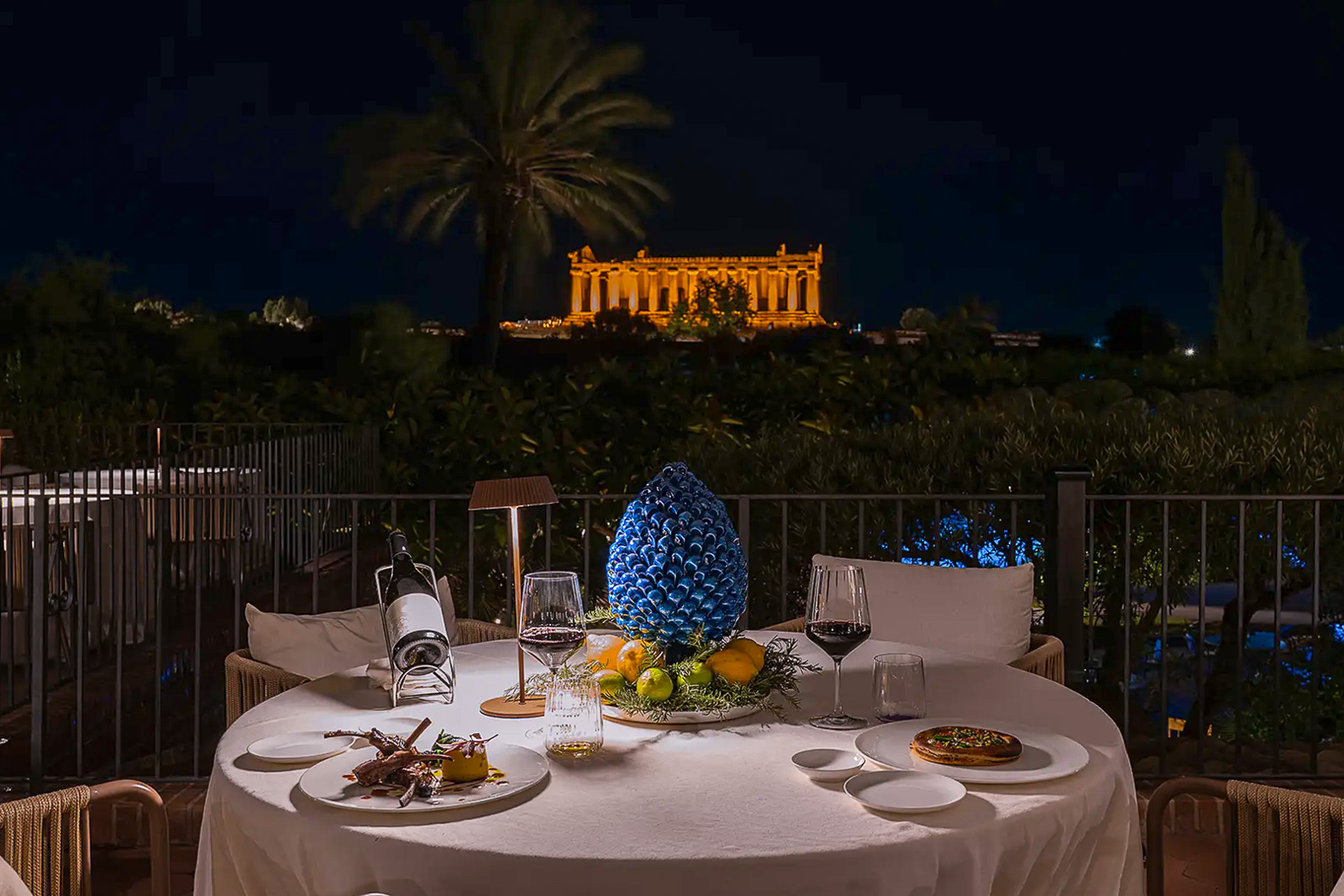
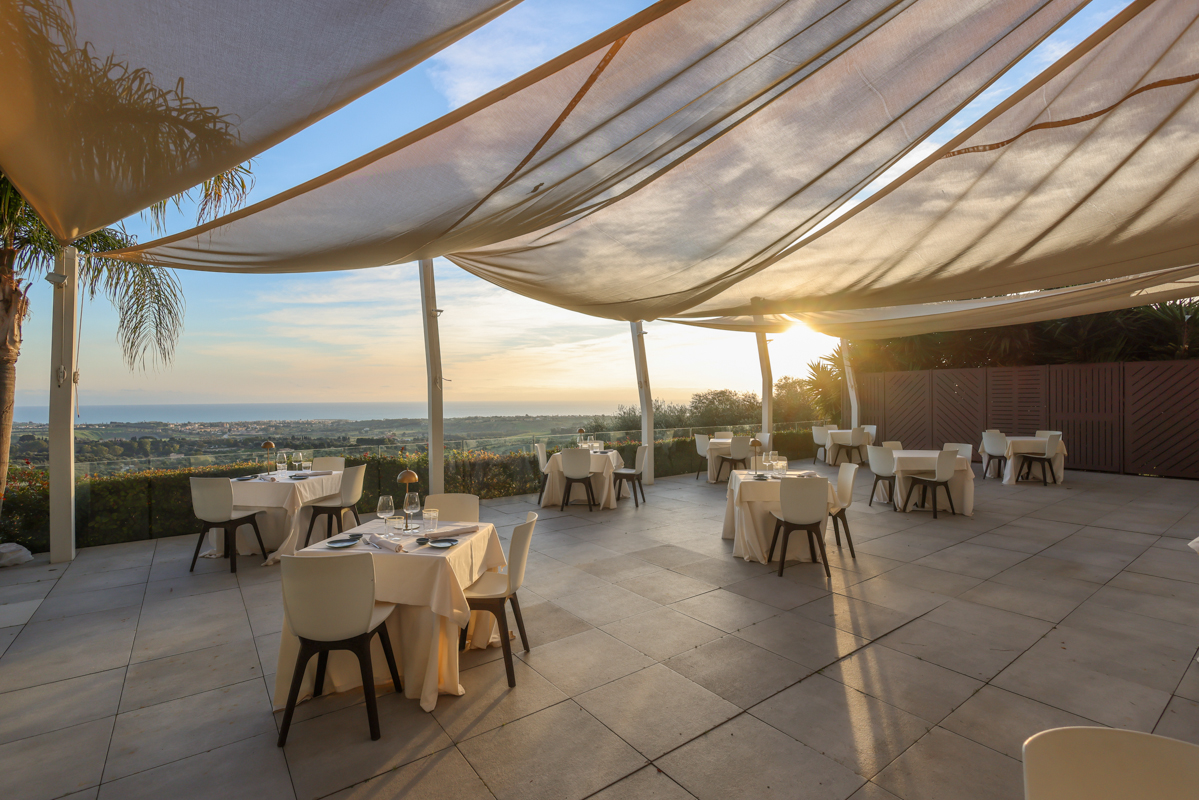
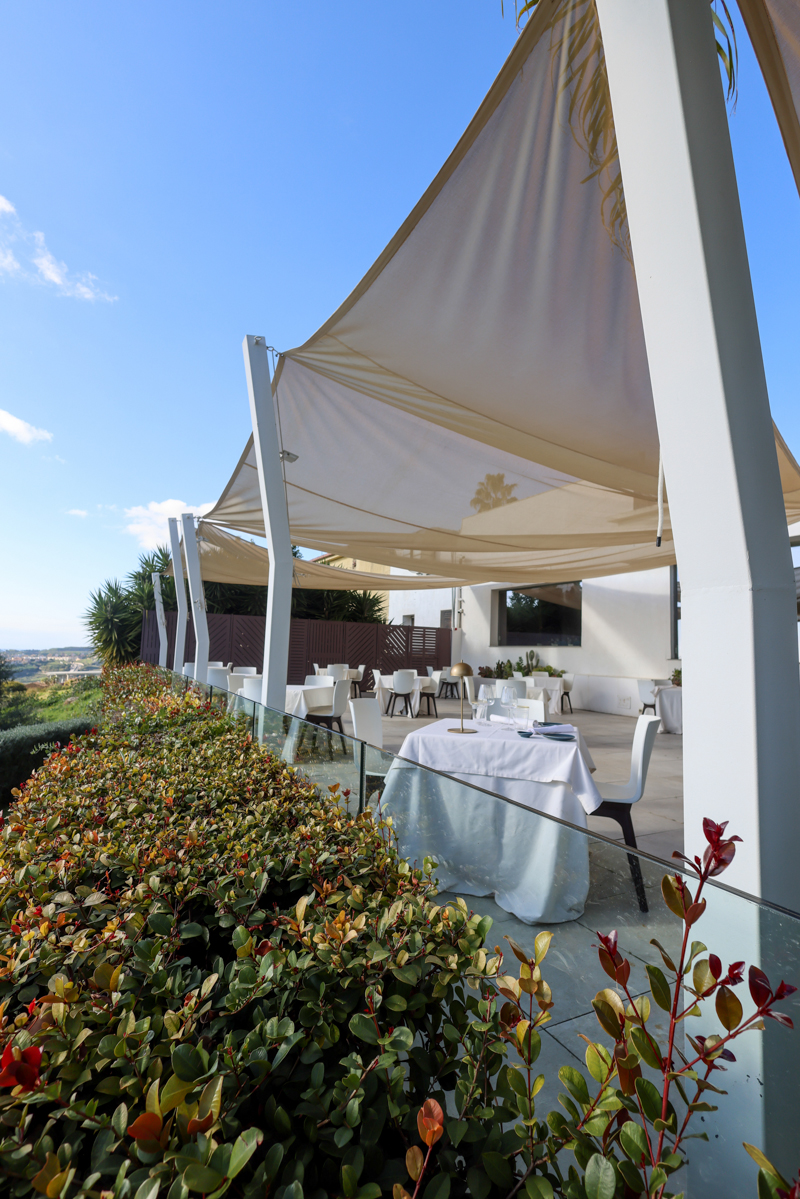
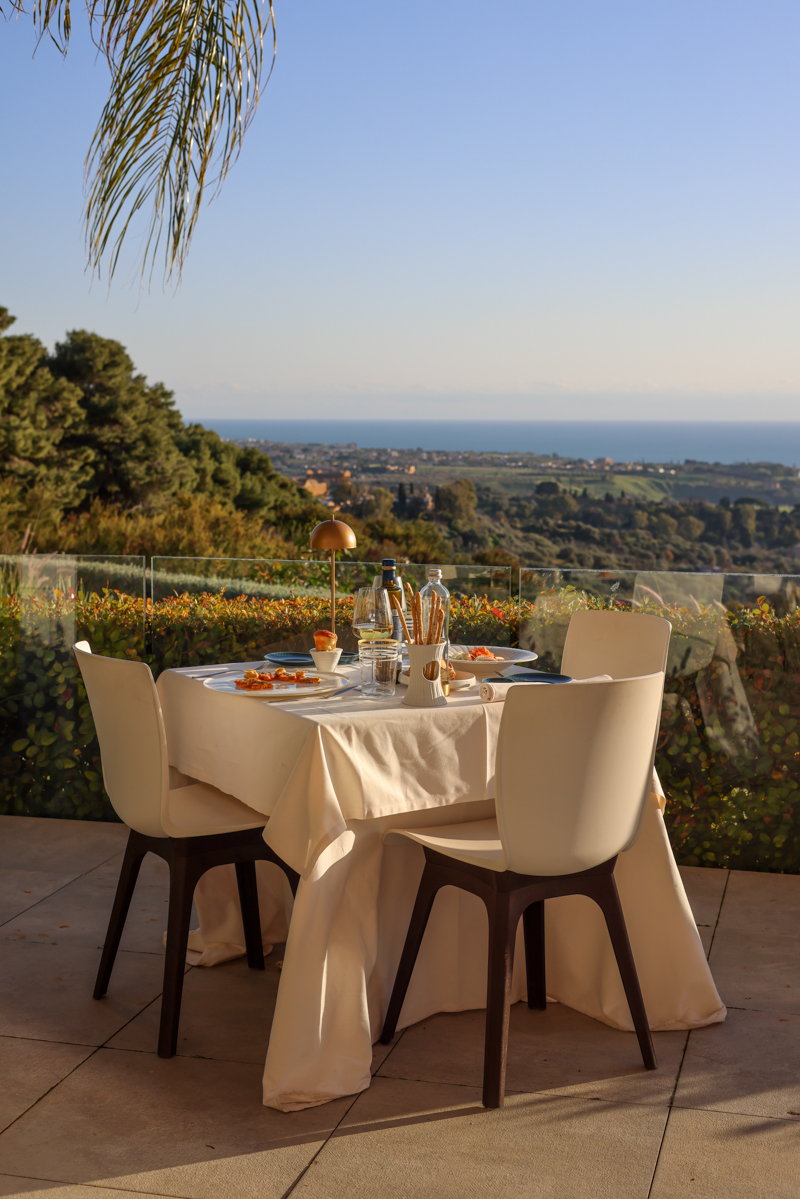
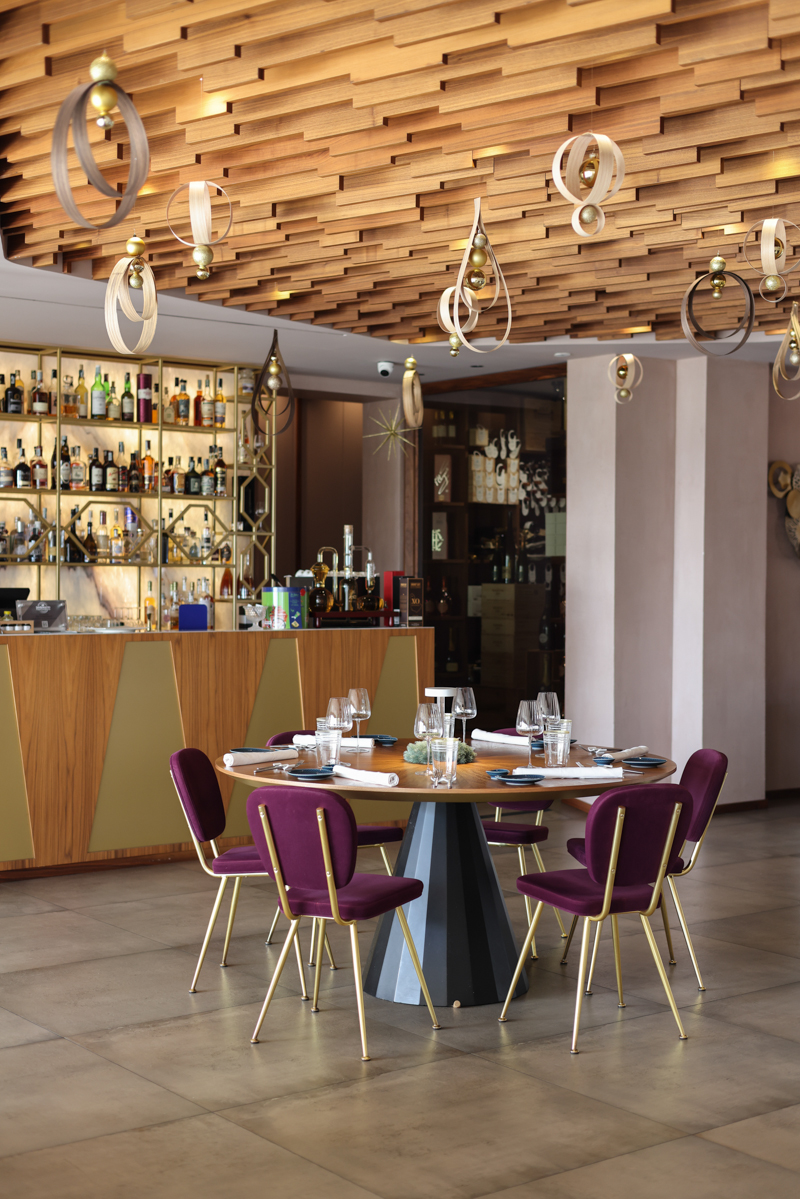
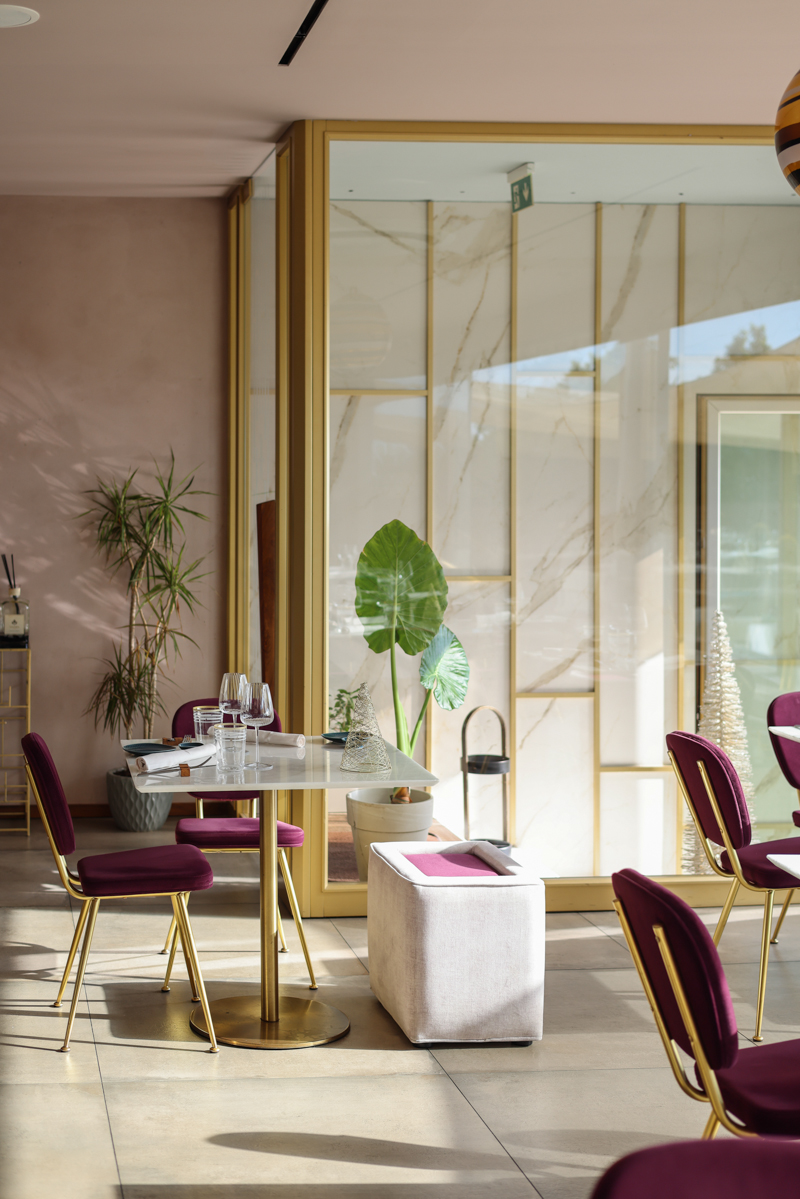
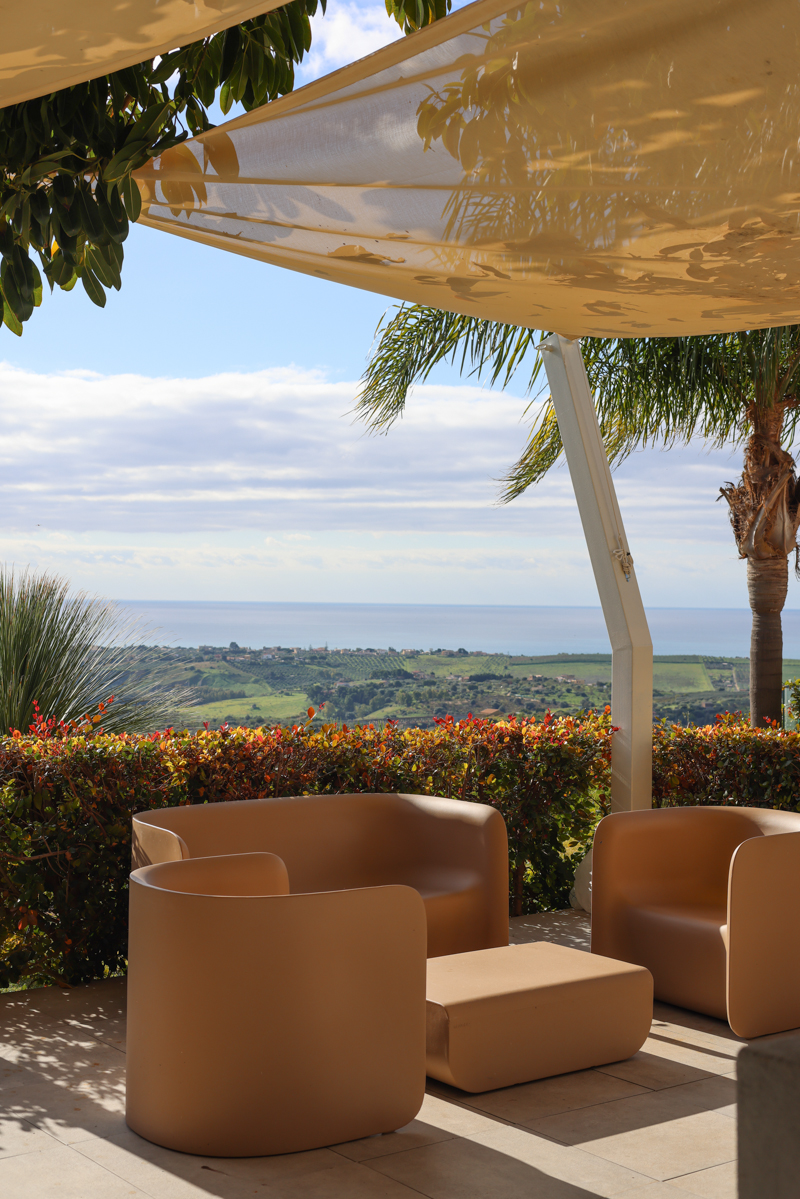
The property offers a private entrance that allows guests direct access to the archaeological area, suites that frontally overlook the Doric colonnades, outdoor spaces that include a swimming pool surrounded by centuries-old olive trees, a spa, and the fine-dining restaurant La Terrazza degli Dei, the only one with a frontal view of the Temple of Concordia, also perfect for a sunset aperitif (reservations required).

Villa Athena Resort’s exclusive experiences
Villa Athena Resort offers the opportunity to book private, tailor-made experiences, such as a nighttime opening and visit to the Valley of the Temples, with exclusive access to the archaeological park after closing time (or before dawn) with a dedicated archaeological guide and a private toast at the foot of the Temple of Concordia.
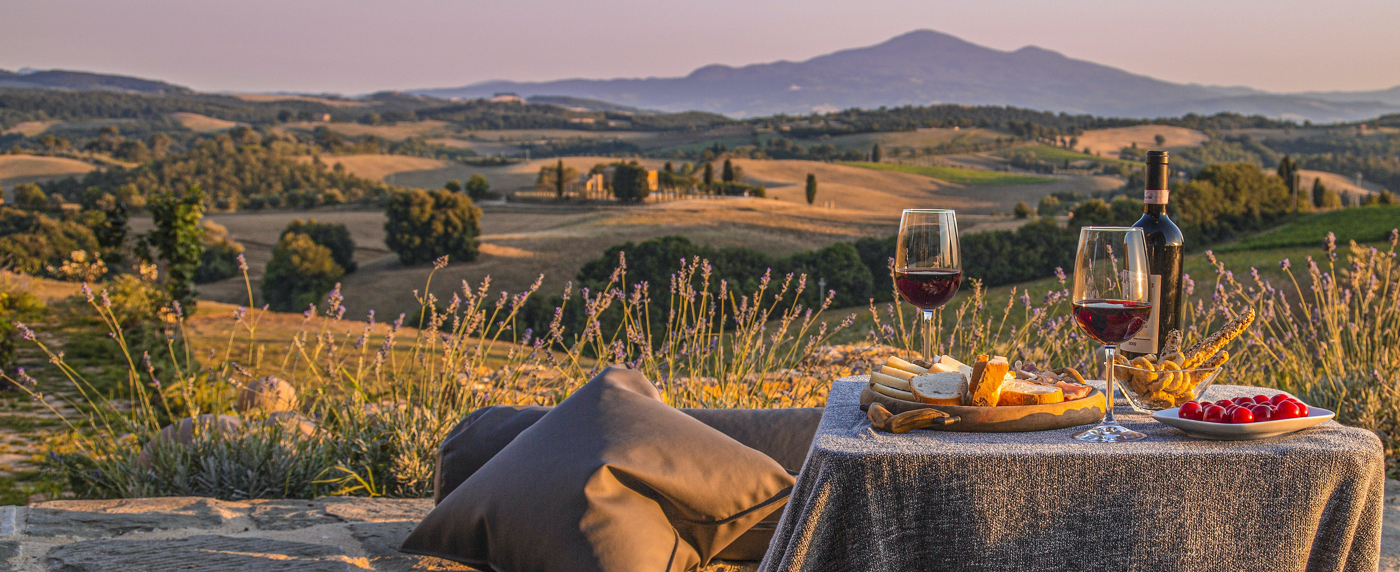
Or, if you’d like to explore the surroundings of the Valley of the Temples, you can reserve a yacht to sail along the white marl cliffs of Realmonte, the famous Scala dei Turchi, and the Torre Salsa Nature Reserve, a visit to historic local wineries such as Planeta Ulmo and Duca di Salaparuta, or a panoramic helicopter tour departing directly from the resort’s helipad.


Where to eat in the Valley of the Temples
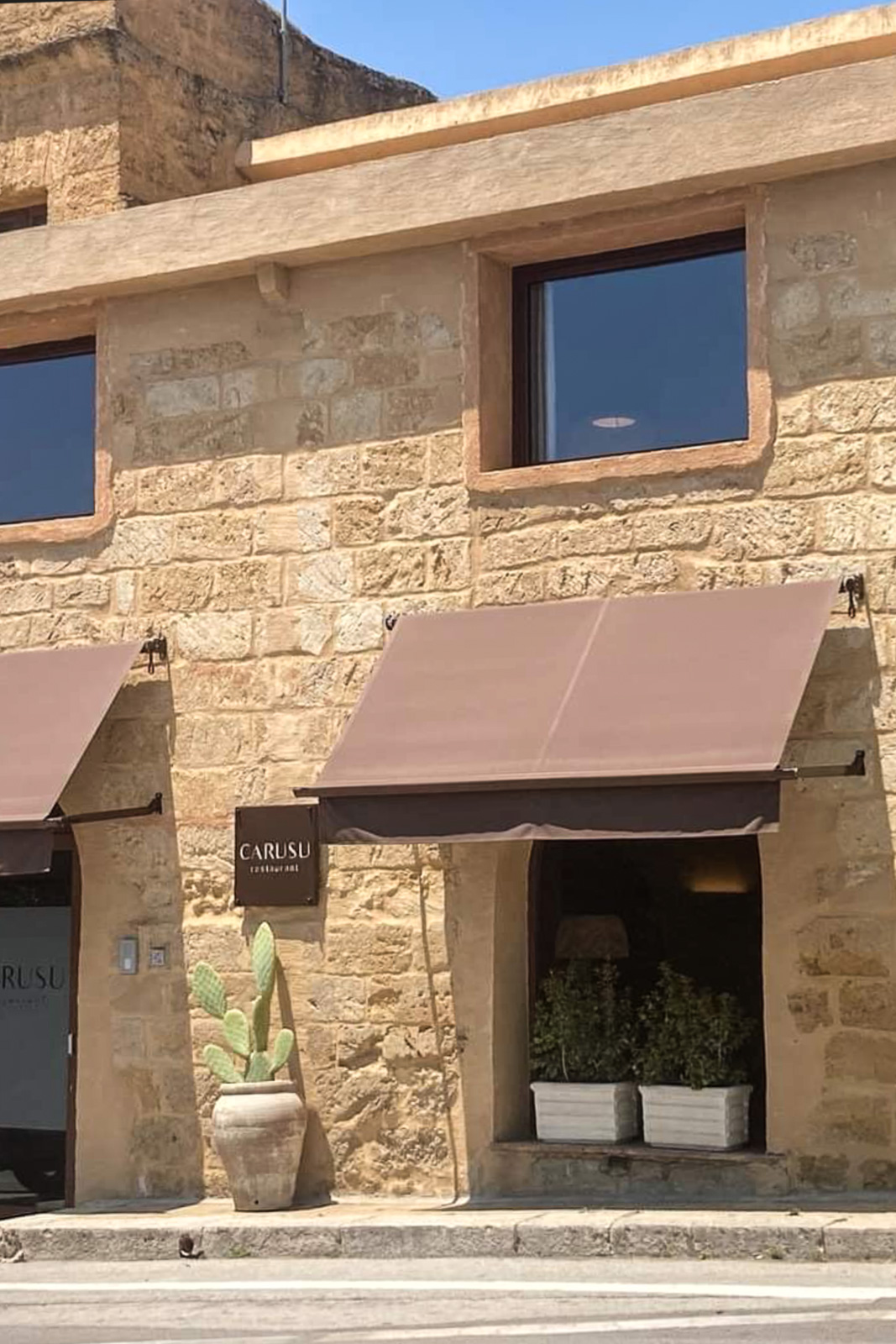
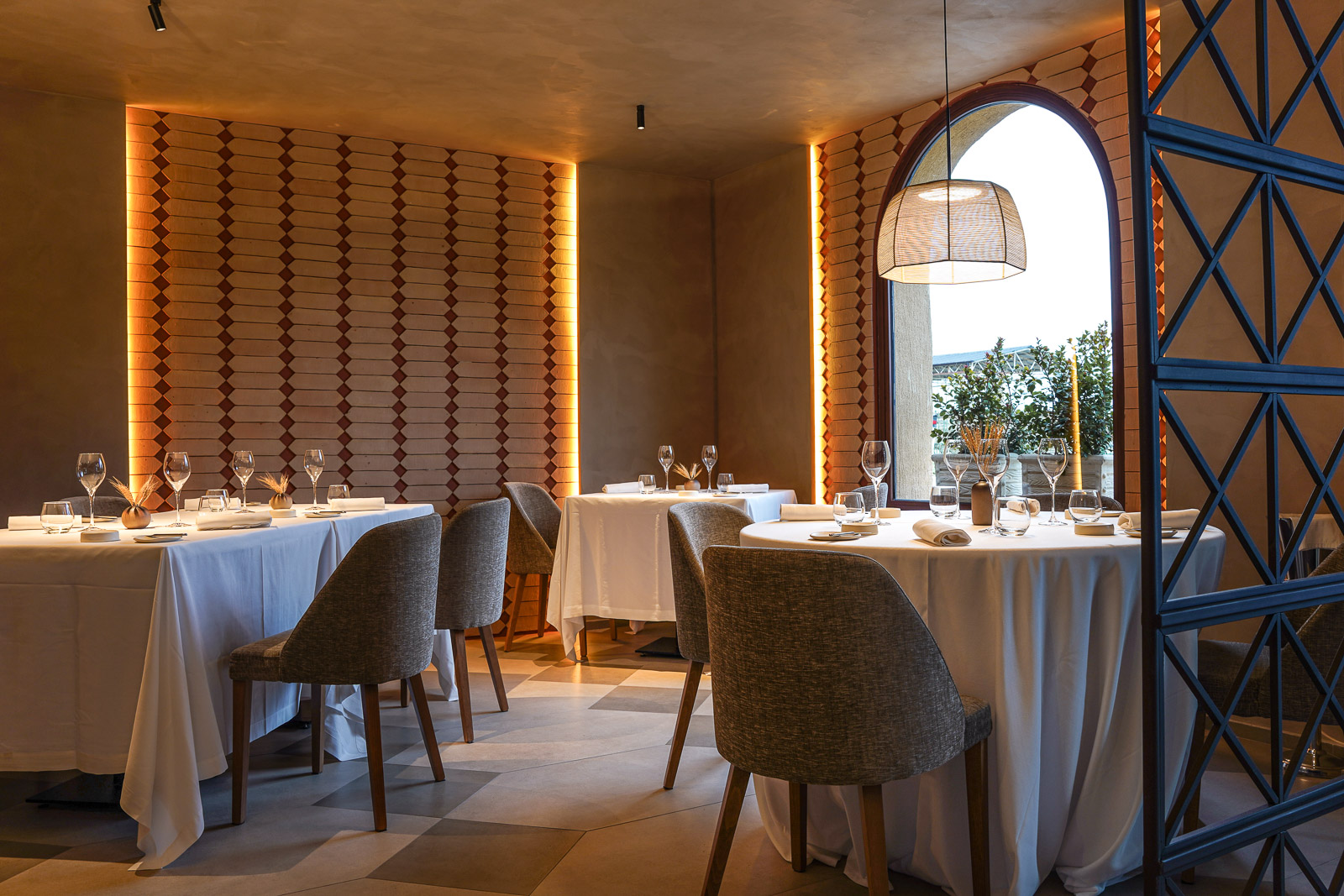
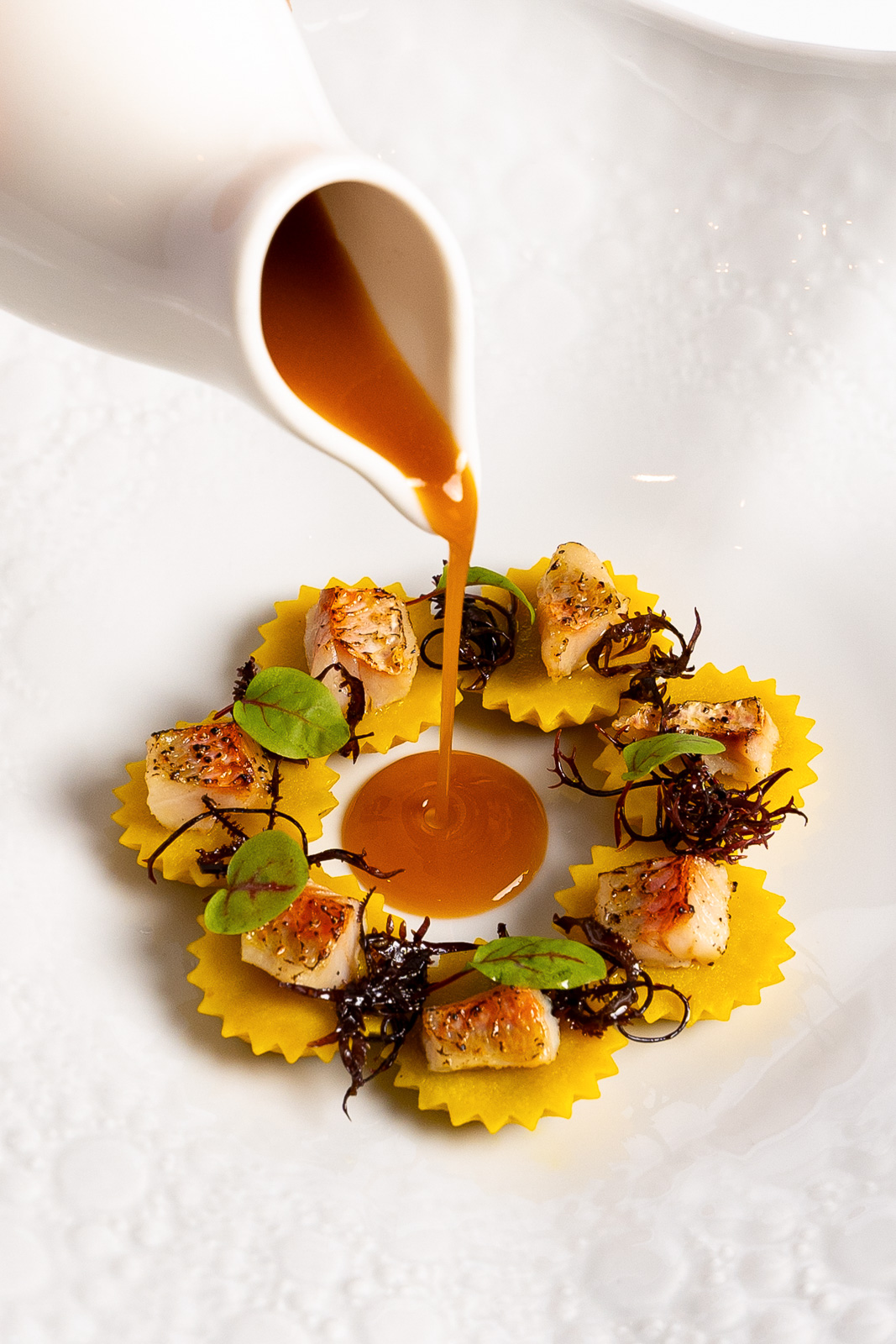
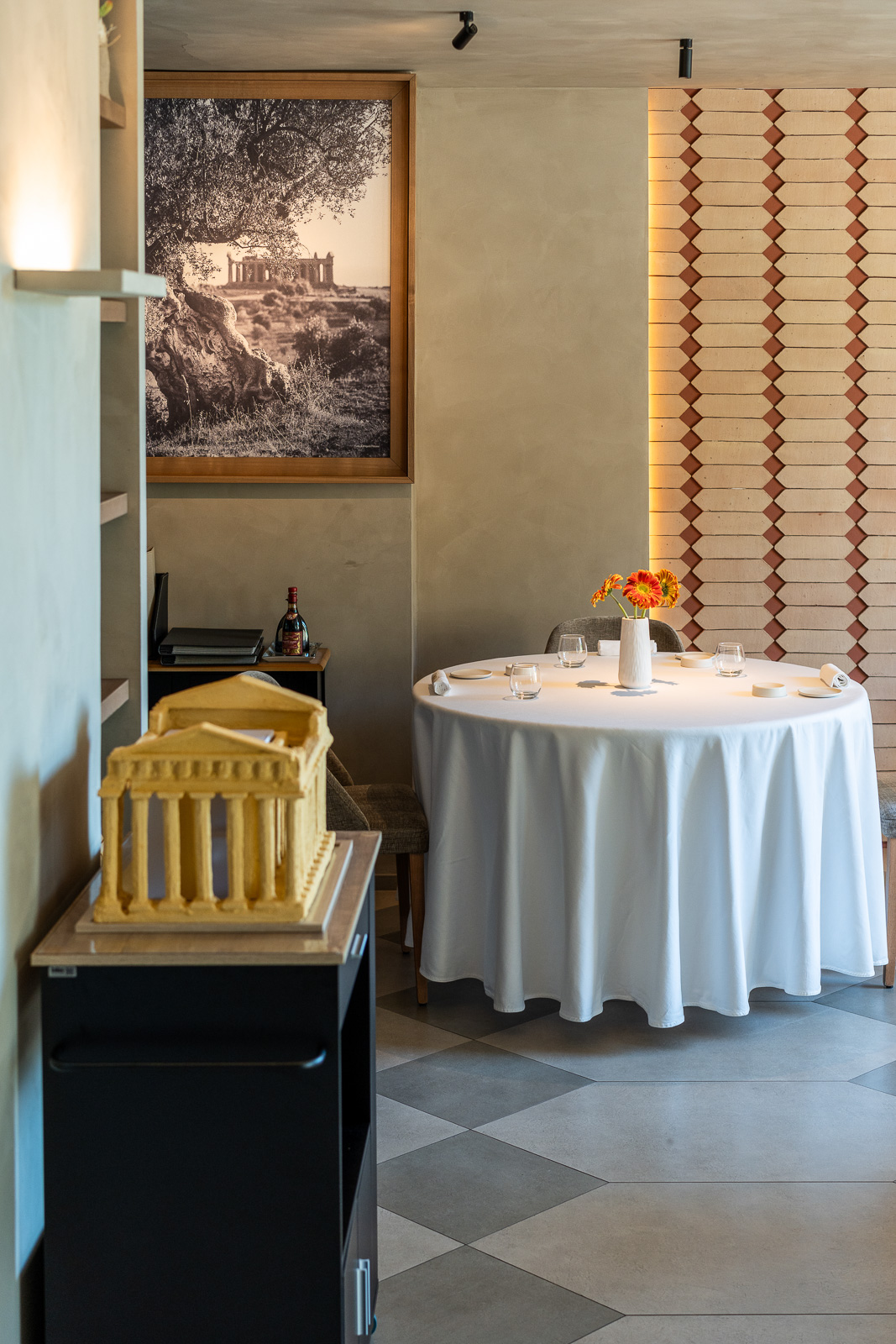
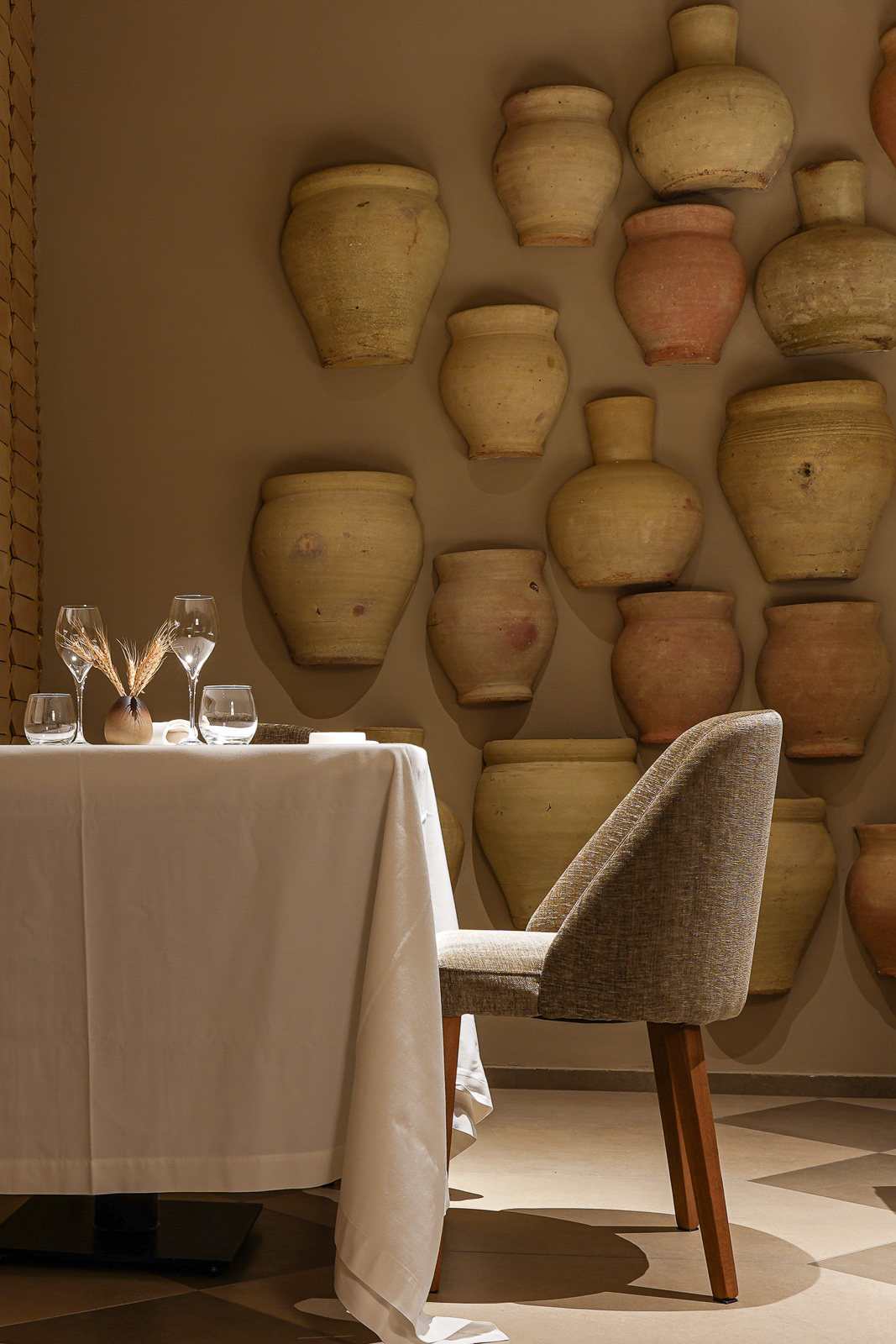
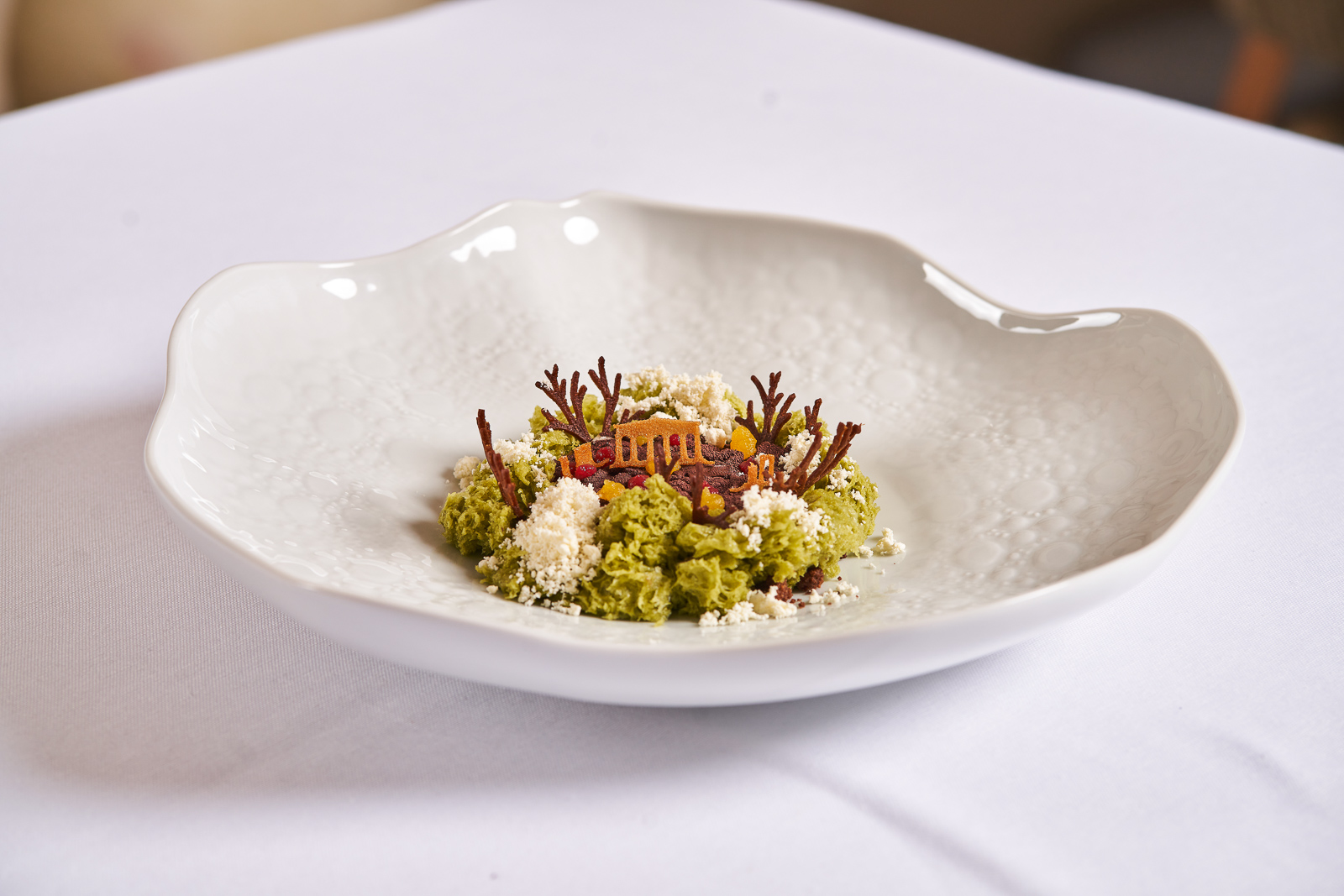
Two other gourmet addresses near the Valley of the Temples are Carusu, overlooking the Hellenistic Quarter of the Archaeological Park, the fine-dining restaurant of the Mangione family and chef Alen Mangione, and Akropolis, with a seafront terrace and spectacular views of the valley, where you can indulge in the hospitality of the Lattuca family and the cuisine of chef Davide Giambruno.


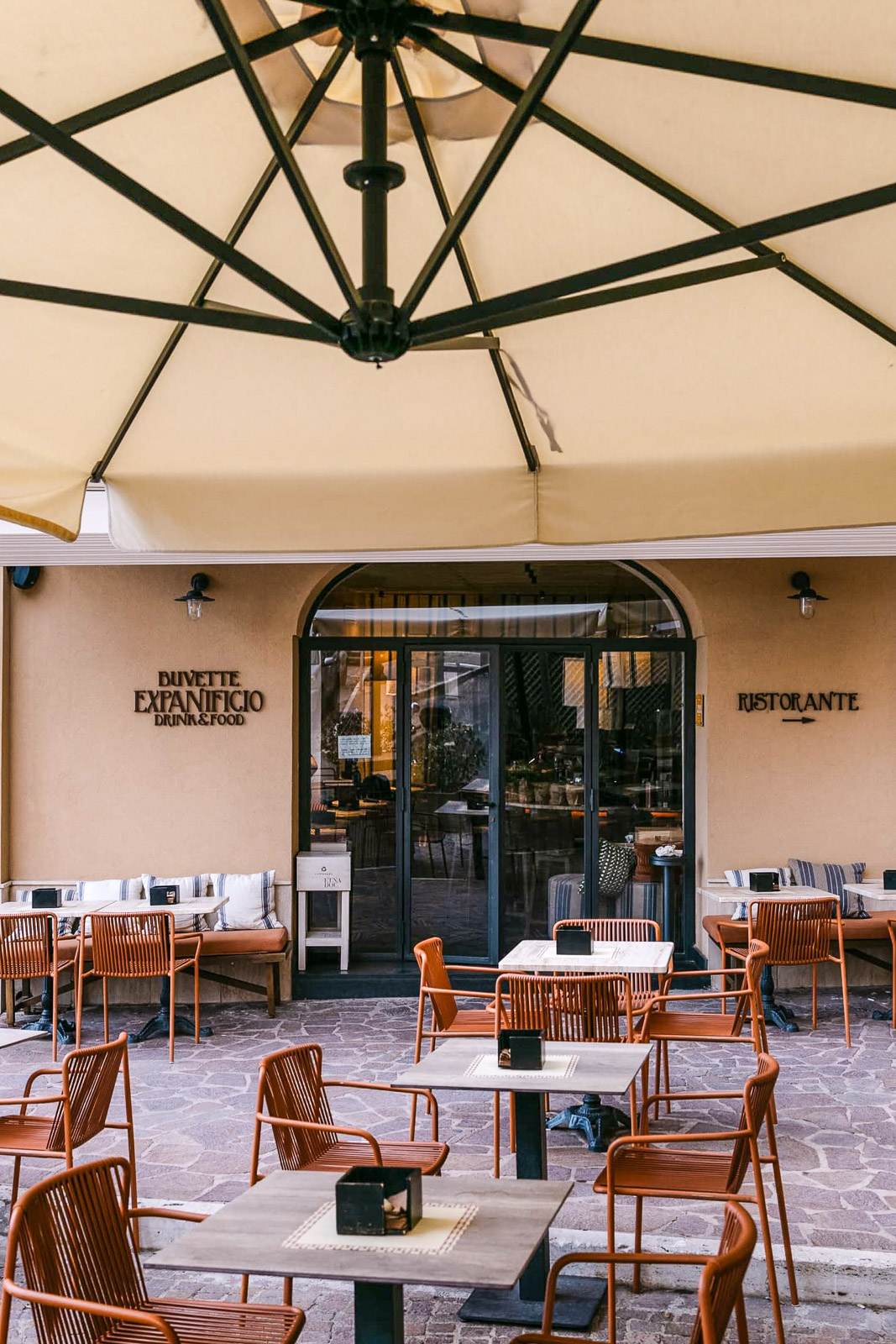
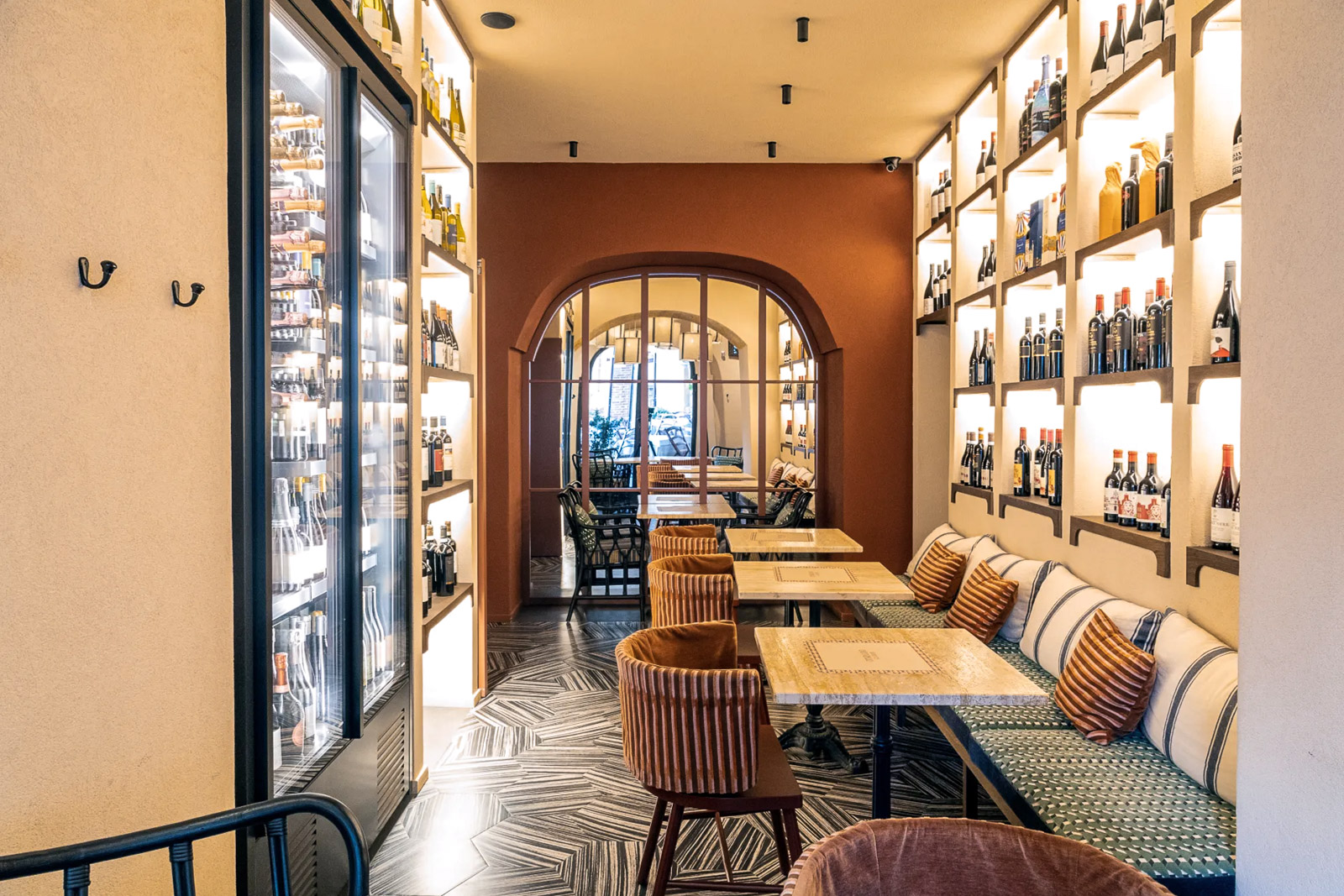
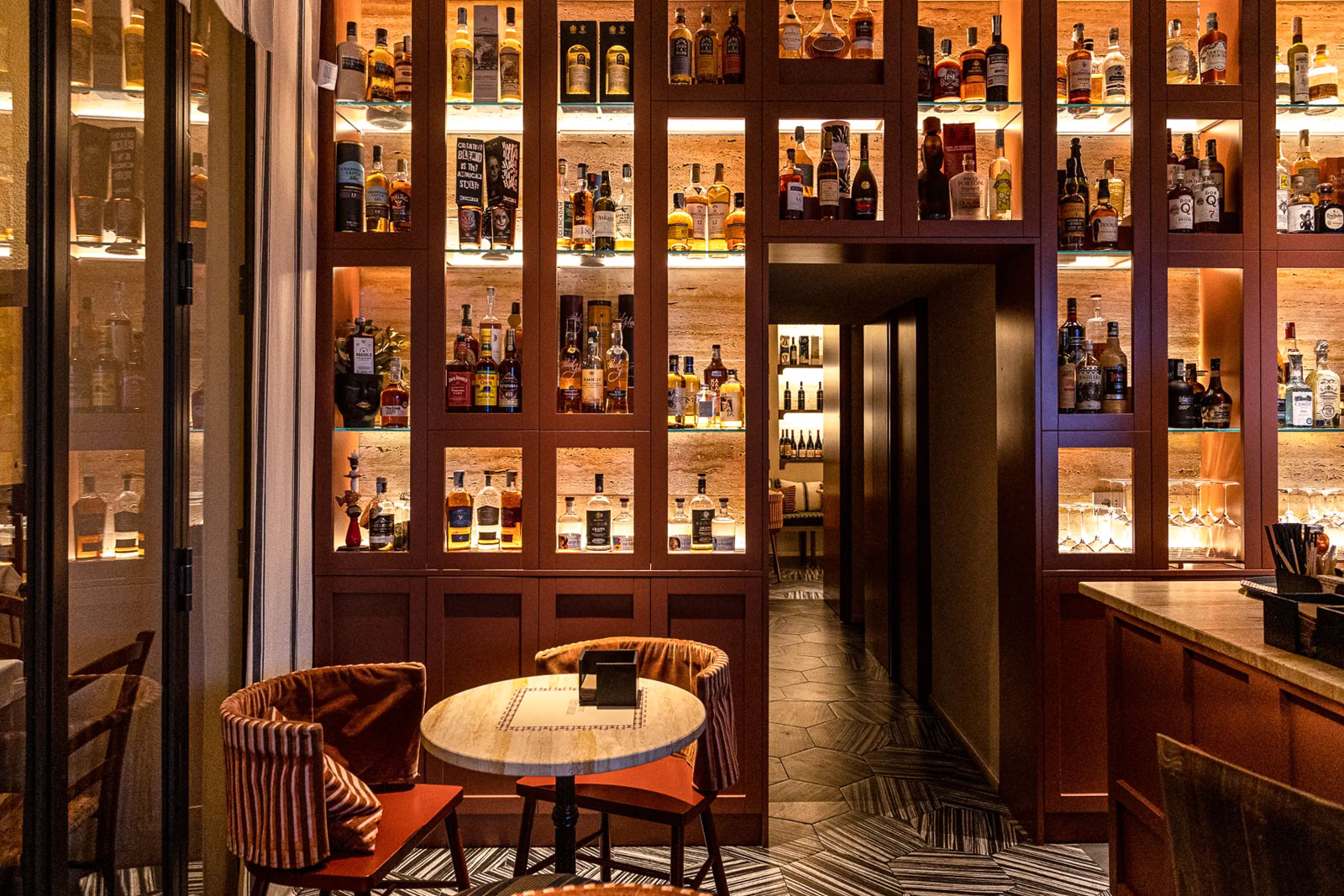
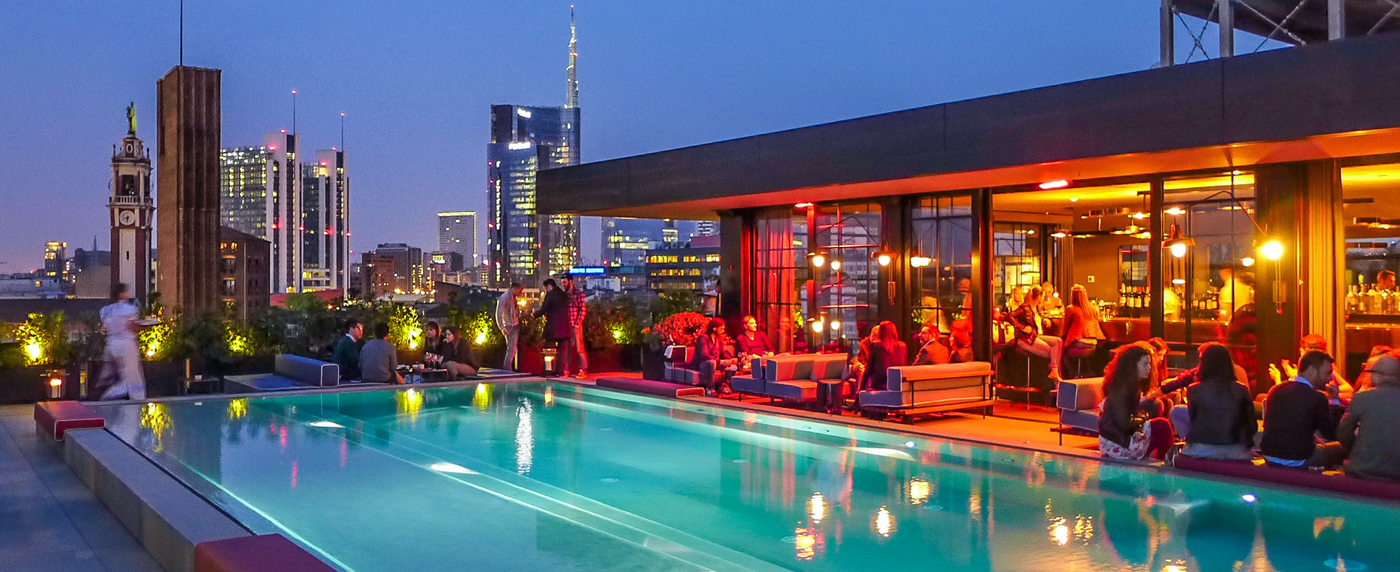
After a stroll through Agrigento’s historic center, you can book a table at Osteria Ex Panificio, a renovated former bakery dating back to the First World War. It offers regional cuisine inspired by Slow Food’s principles. This world of goodness also includes a Buvette cocktail bar, perfect for an aperitif or after-dinner drink, and a guesthouse with two designer rooms.

Contemporary art at the Farm Cultural Park
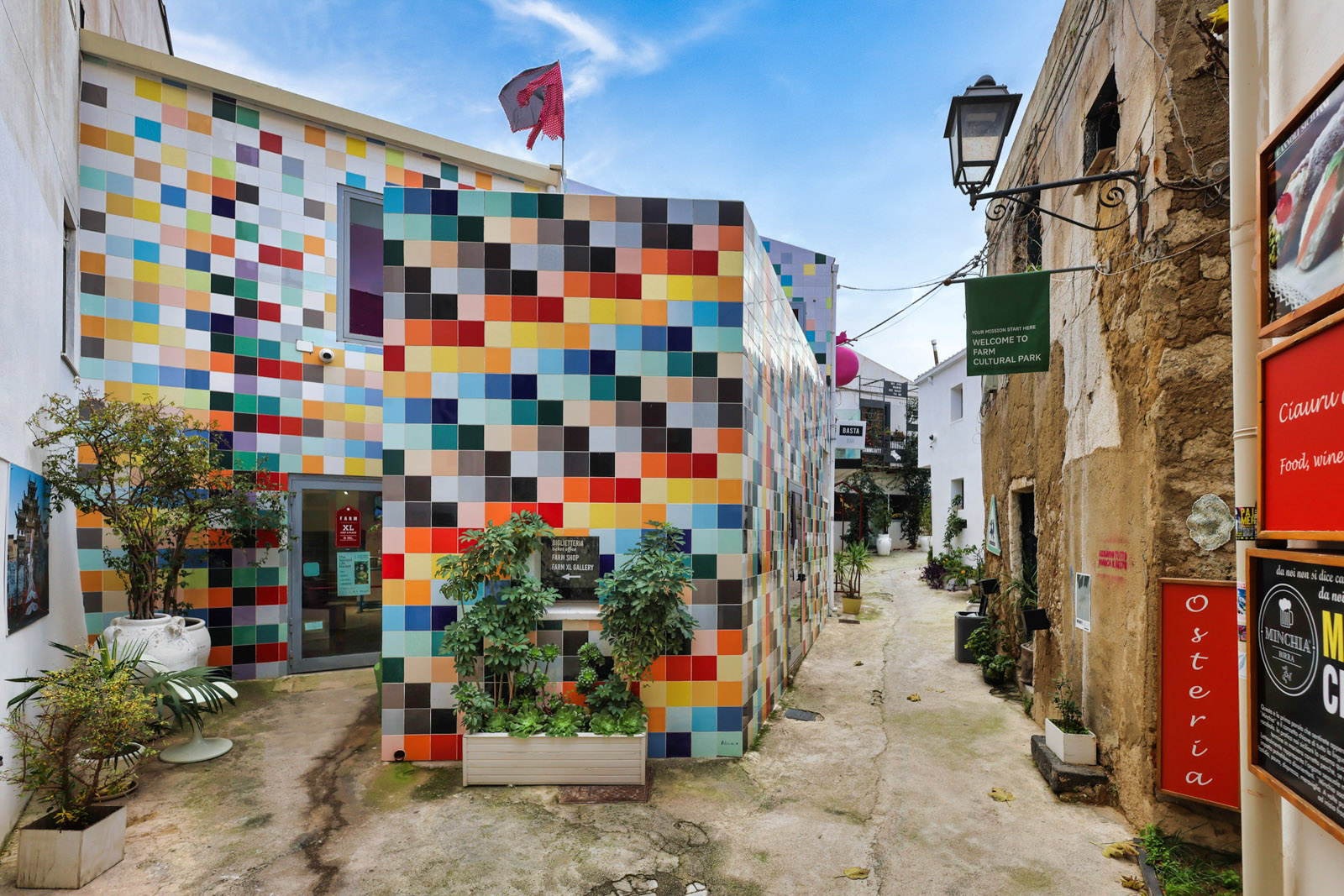
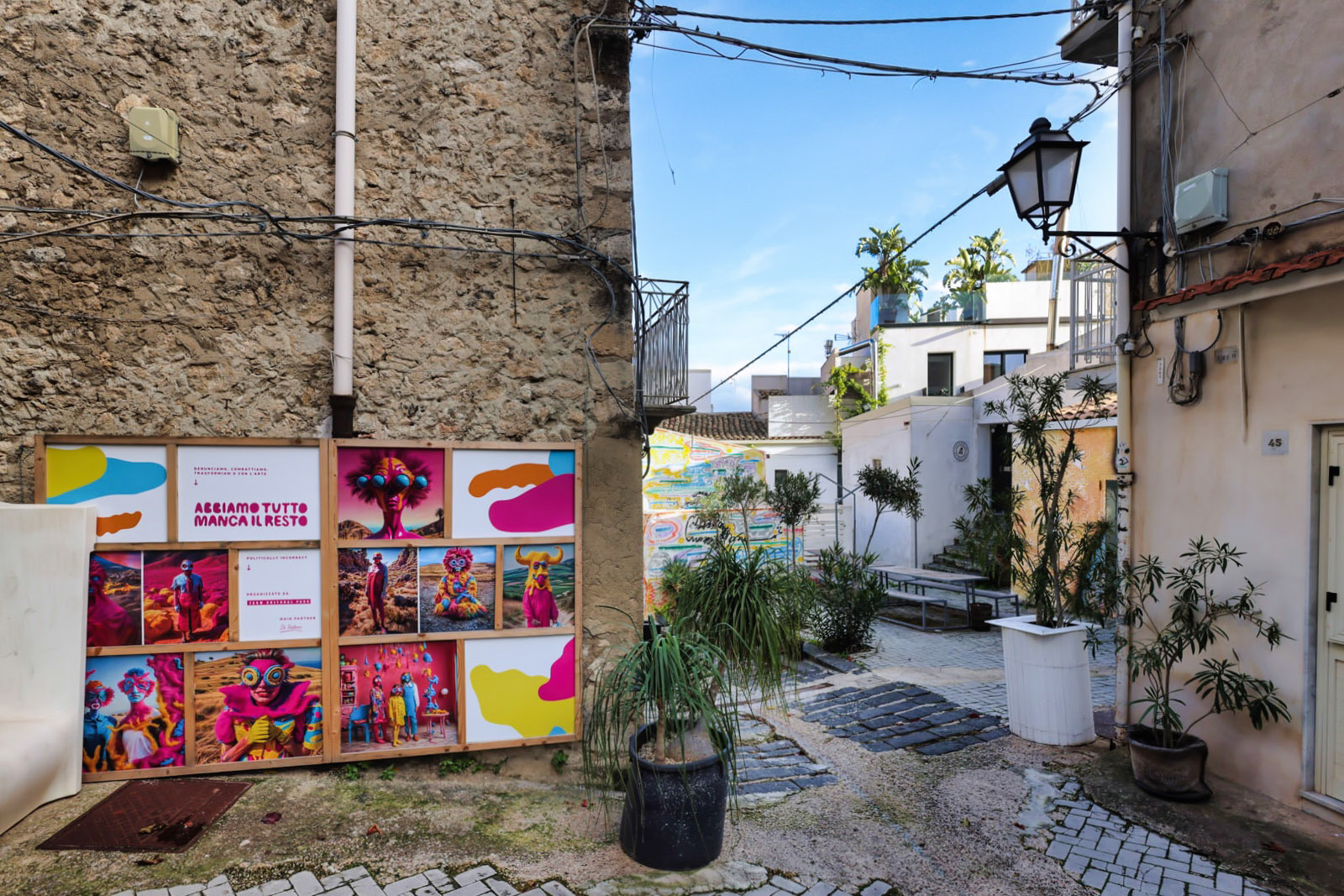
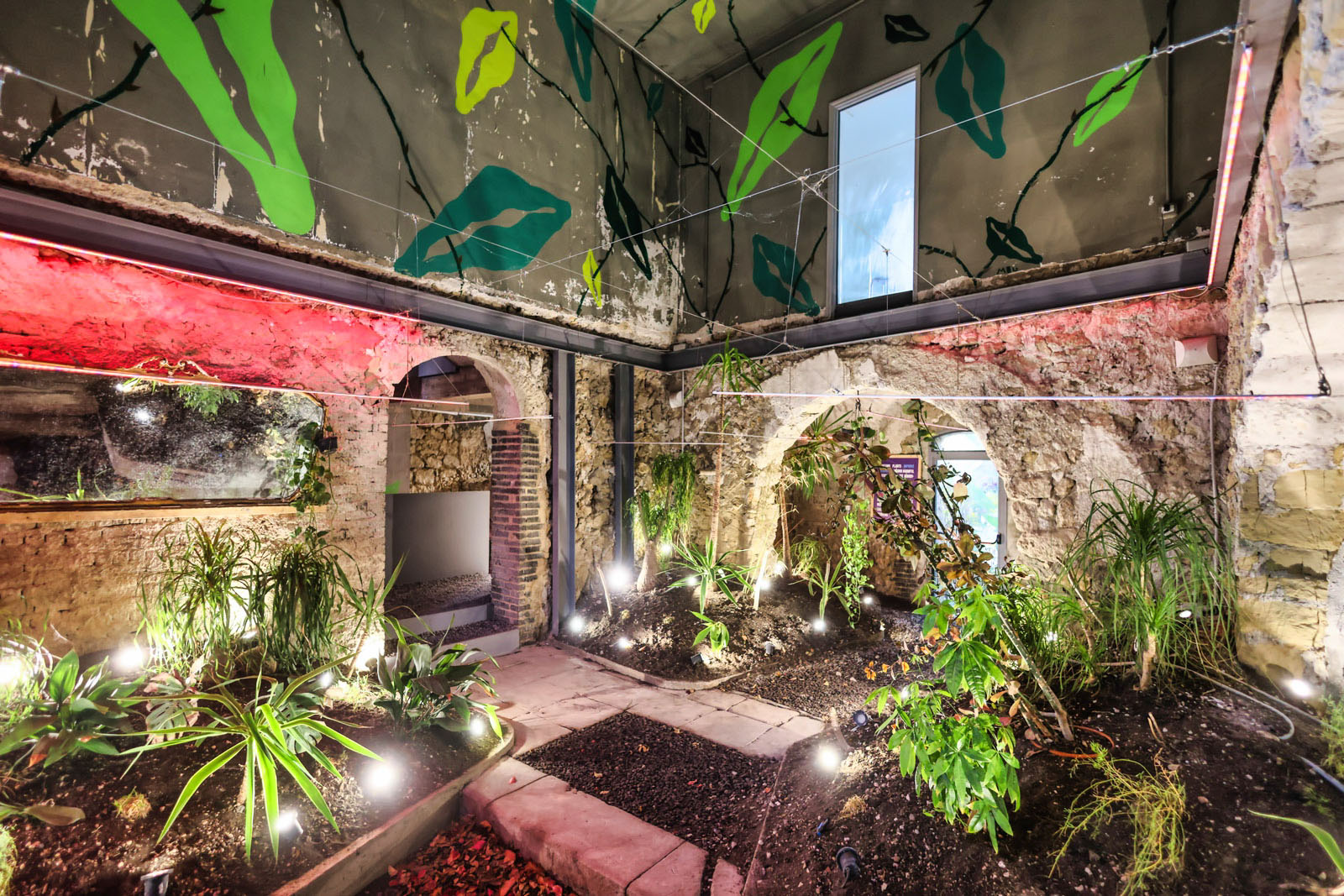
About a fifteen-minute drive from the Valley of the Temples, Farm Cultural Park is worth a visit during the warmer months. Born from Florinda Saieva and Andrea Bartoli’s dream of transforming their homeland through the power of contemporary art, Farm Cultural Park is an art gallery and open-air museum created by the complete urban redevelopment of the village of Favara. Visit the Farm’s social media channels to learn about upcoming openings and exhibitions.

The Secret
The main monumental temples of Akragas are oriented along an east-west axis, with the entrance facing east. According to Greek ritual, this arrangement aligned the external altar with the rising sun and allowed the first rays of dawn to pass through the portal of the naos (the inner chamber), illuminating the statue of the deity during sacrifices celebrated outdoors.